
Expanding Thought Horizons in Chile
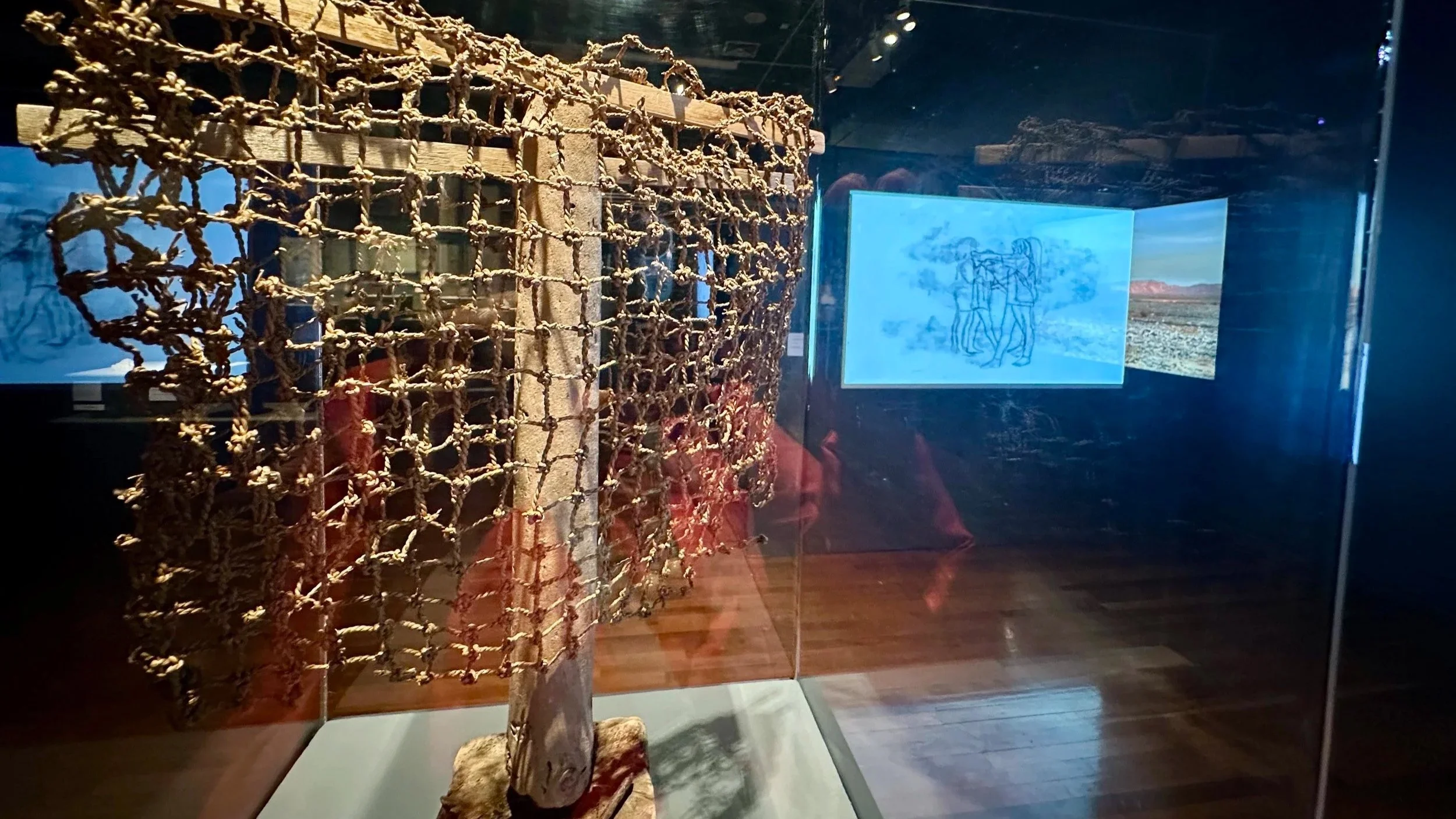
I have just returned from Valparaíso, Limache, and Santiago, where I travelled to launch my book ¿Y si las mujeres diseñaran la ciudad? (Ecohabitar) and, more importantly, to learn from and exchange with Chilean regenerativists.
This was my third visit, and once again it confirmed something unmistakable. The land of Humberto Maturana, Michelle Bachelet, Gabriela Mistral, and Manfred Max-Neef continues to cultivate vision-forming educators, cultural heritage leaders, land-literate journalists, paradigm-shaping futurists, ecologically-attuned architects, and organizational thinkers whose distinctive way of seeing the world deserves to be met with passionate curiosity by the Global North.
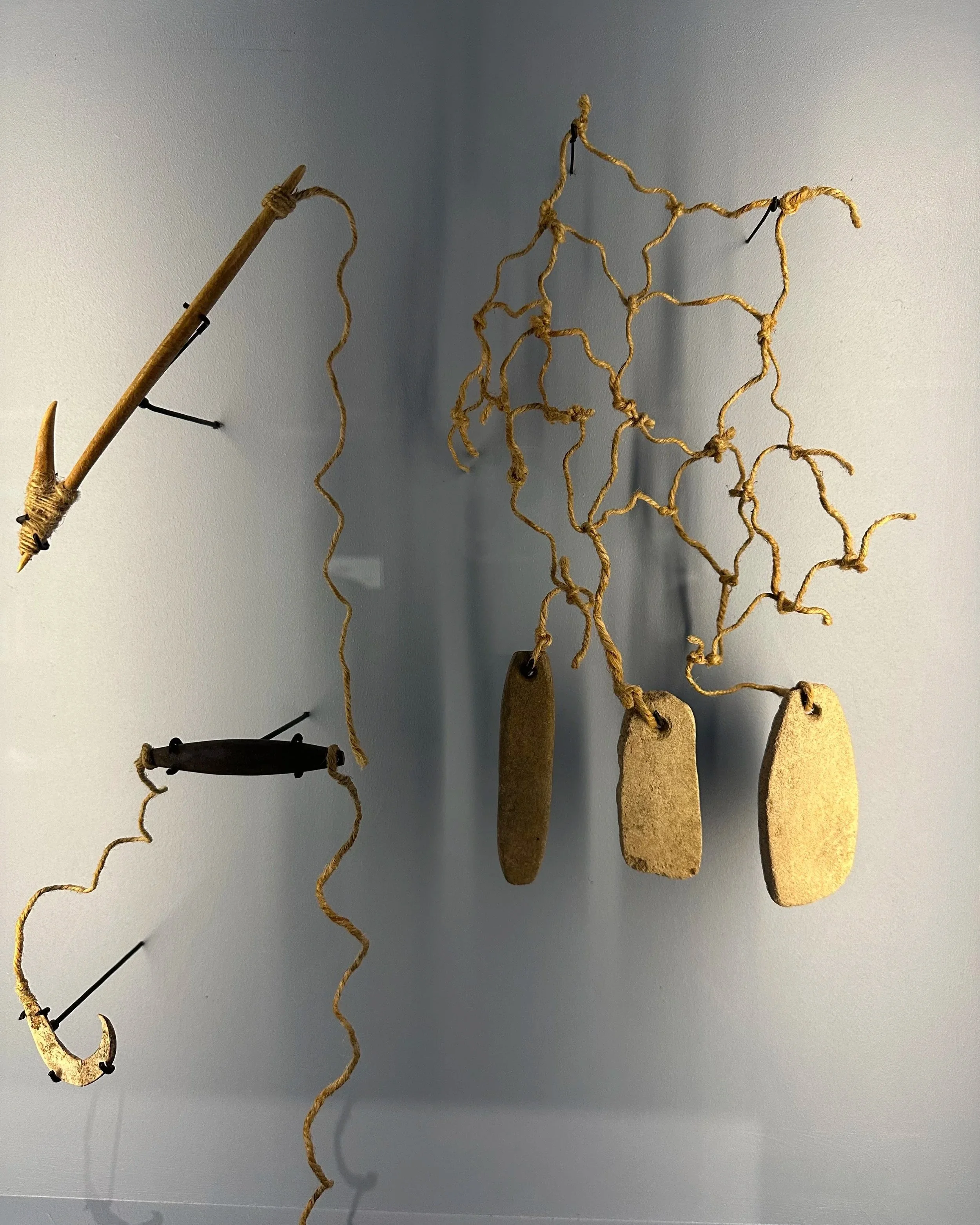
What stands out is not only their depth of thought, but the capillarity of connections. People know one another. Ideas circulate through trust-based networks rather than institutional silos. Knowledge is embedded in place and travels relationally. Chile feels like a living example of co-evolving mutualism: bio-cultural-spatial systems learning, adapting, and evolving together over time.
Before anything else, I want to honour those who supported this journey: Luz Torres for translating and supporting the launch of my book in the culturally-layered Valparaíso Profundo; Pia Bustos and Jerry Larker for their Tudor-style hosting in Los Condes; Juan Pablo Lazo for being there; Caro Muñoz and Maria Jose Calvimontes for the thoughtful orchestration of the conversatorio at Lo Matta; and Catalina Díaz for engaging a community of bioregionalists in my charla Protagonismo Regenerativo in Limache.
What follows are glimpses into exchanges that have expanded my thought horizons.
Extreme Collaboration
Learning to read and surf complexity together
In Santiago, I dialogued with consultant and researcher in regenerative development Ronald Sistek about his work with organisations, inviting them to resist the impulse to control complexity and instead learn how to read it and evolve with it. Through a subtle but powerful play on words, Ronald contrasts desarrollo ingenuo (naïve development) with desarrollo genuino (genuine development). Naïve development optimizes what is immediately visible metrics, outputs, profits—while externalising costs to ecosystems, communities, and future generations. Genuine development integrates economic, human, social, and ecological dimensions, asking not only “How much do I gain?” but “What impact does this have on the system that sustains us?”
With world-refraiming Leonardo Maldonado, co-founder of Cities Can B and one of the thinkers behind 3xi: Hacia la Cultura del Encuentro, the conversation turned to trust and social systems. Drawing on Hannah Arendt’s notion of the banality of evil, Leo proposes its inversion: if systems can normalise harm, they can also normalise care.
Through what he calls extreme collaboration, Leo designs processes and encounters that allow cooperation to emerge even across structural divides. These are not consensus-driven exercises, but carefully held relational spaces where dialogue, difference and mutual learning co-exist. Collaboration here functions much like a guild in permaculture: a web of reciprocal relationships that strengthens the vitality and viability of the whole.
Valparaíso
Heritage as a Living Relationship
In Valparaíso, this relational logic becomes spatial and cultural. Before we met, Macarena Carroza – Director of the Municipal Corporation for the Administration of the World Heritage Site—sent me a carefully crafted, multilayered letter that I read as a palimpsest of the city itself: historical, institutional, and deeply personal
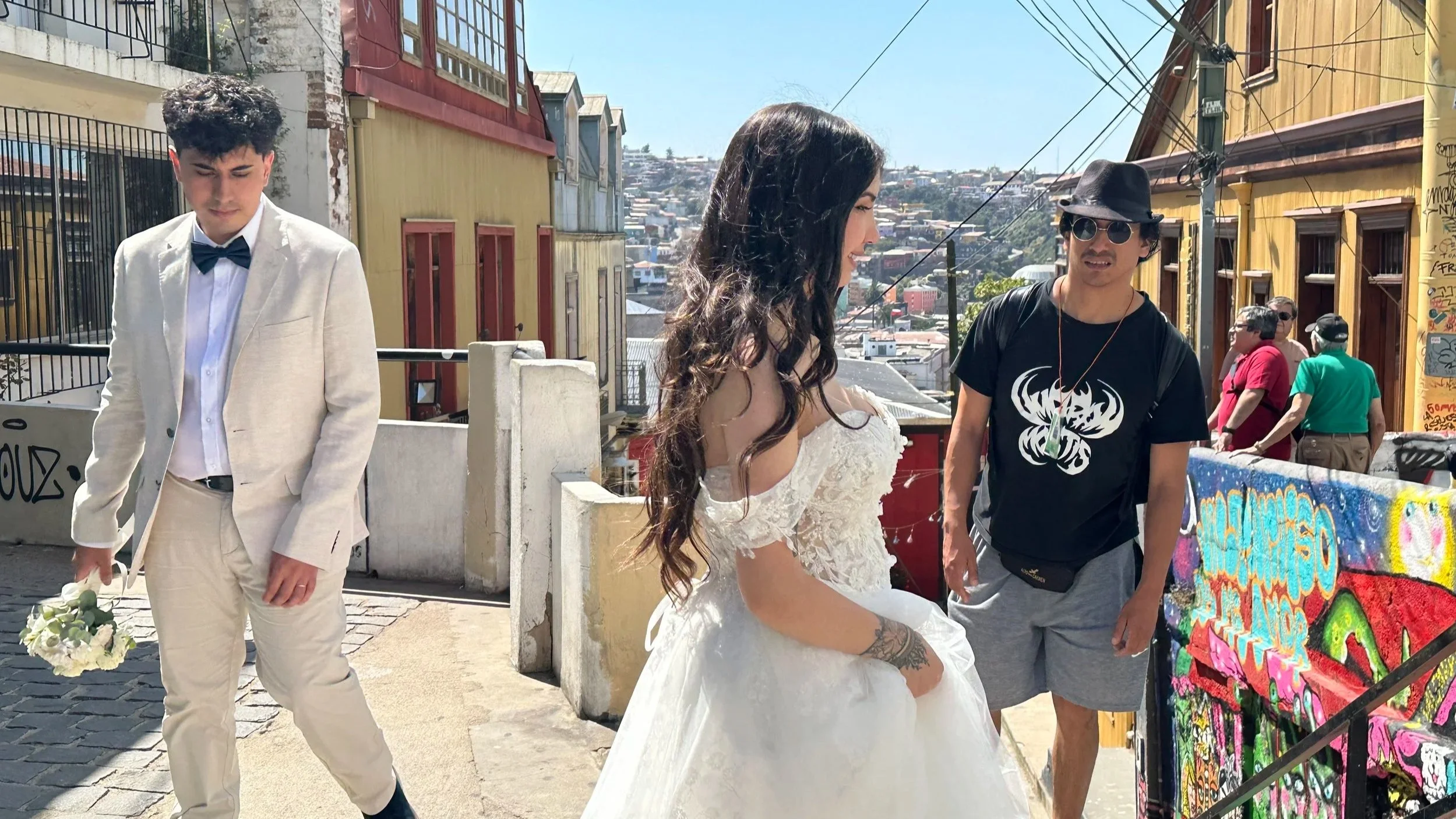
Declared a UNESCO World Heritage Site in 2003, Valparaíso spent two decades without a coherent management structure – globally recognised yet locally fragile. The new Management Plan treats the city-port as a living system shaped by hills, stairs, public space, informal practices, and collective memory. It acknowledges that heritage conservation cannot be disentangled from everyday life, social well-being, and the right to the city. Planning, in this sense, becomes an act of listening, of rebuilding trust, and shifting from a logic of maintenance to a culture of care. Valparaíso, she reminded me, is best discovered by walking through its vernacular urban fabric, unfolding across steep hillsides and connected by a network of hillside elevators.
Limache
Cultivating the potential grounded in the uniqueness of the territory
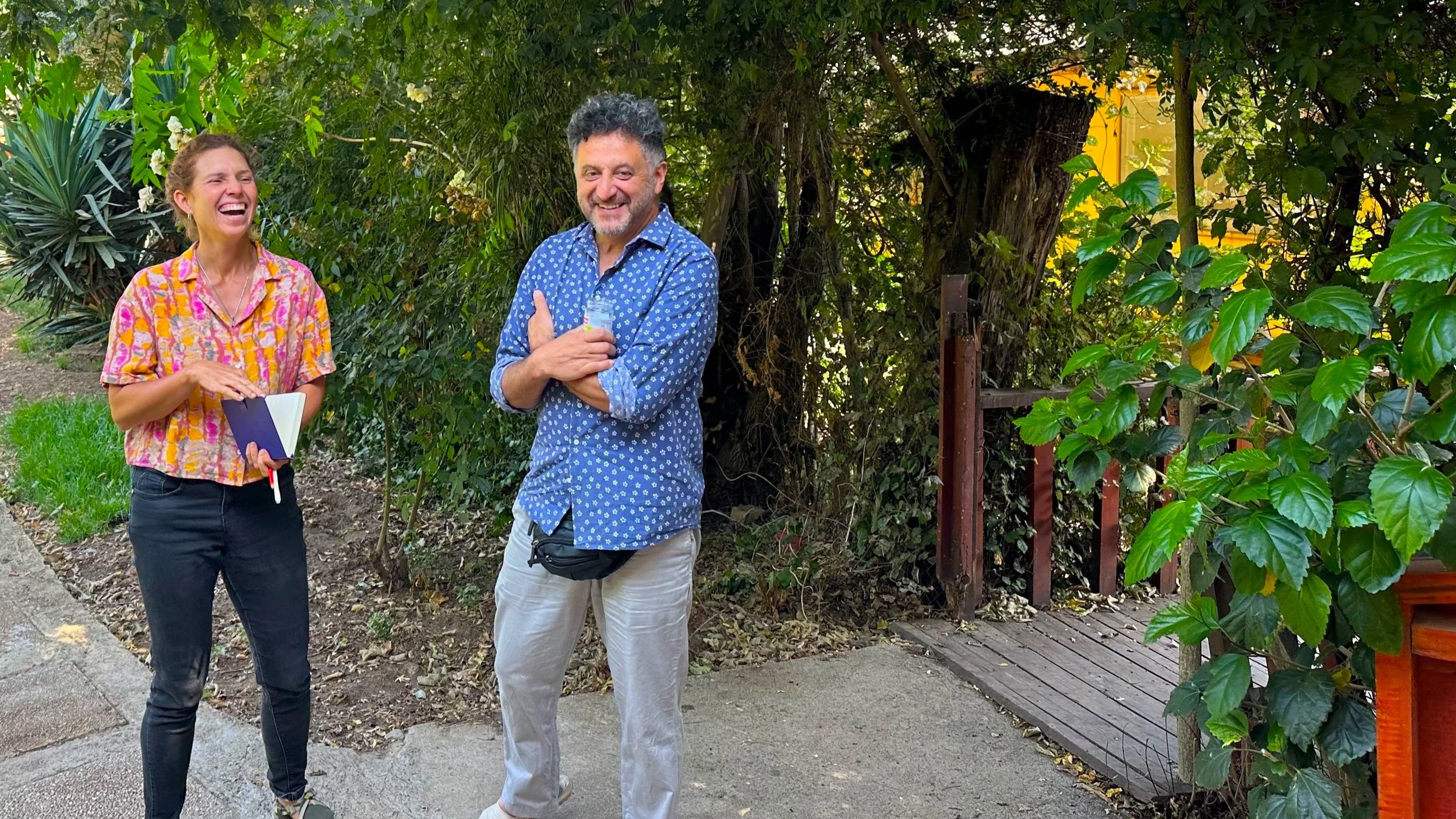
In Limache, I exchanged with architects, musicians and environmentalists deeply engaged in the town and wider bioregion of the La Campana–Peñuelas Biosphere Reserve. Historically an agro-residential town, Limache evolved with natural green edges, a walkable centre, and strong barrio identities – an almost accidental Garden City shaped by bioregional sensibility.
Today, metropolitan pressure threatens this balance, yet Limache remains a fertile transition zone where biosphere-reserve thinking could merge with contemporary green urbanism – if development is approached as a co-evolving guild of land, water, food systems, local economy and community understood as mutually sustaining rather than separate domains.
Across the bioregion, regenerative protagonism is already unfolding, catalyzed by the collective Orgánica Cultural through educational caminatas and sociocratic forms of governance that actively listen to all stakeholders. This practice of listening extends beyond the human community to include the giant hummingbird, the Andean condor, the pampas cat, the Chilean iguana, and the emblematic kodkod—situating Limache’s possible futures within a living, multispecies bioregional commons.
Vitacura
Fruitful exchanges in places of memory and biophilia
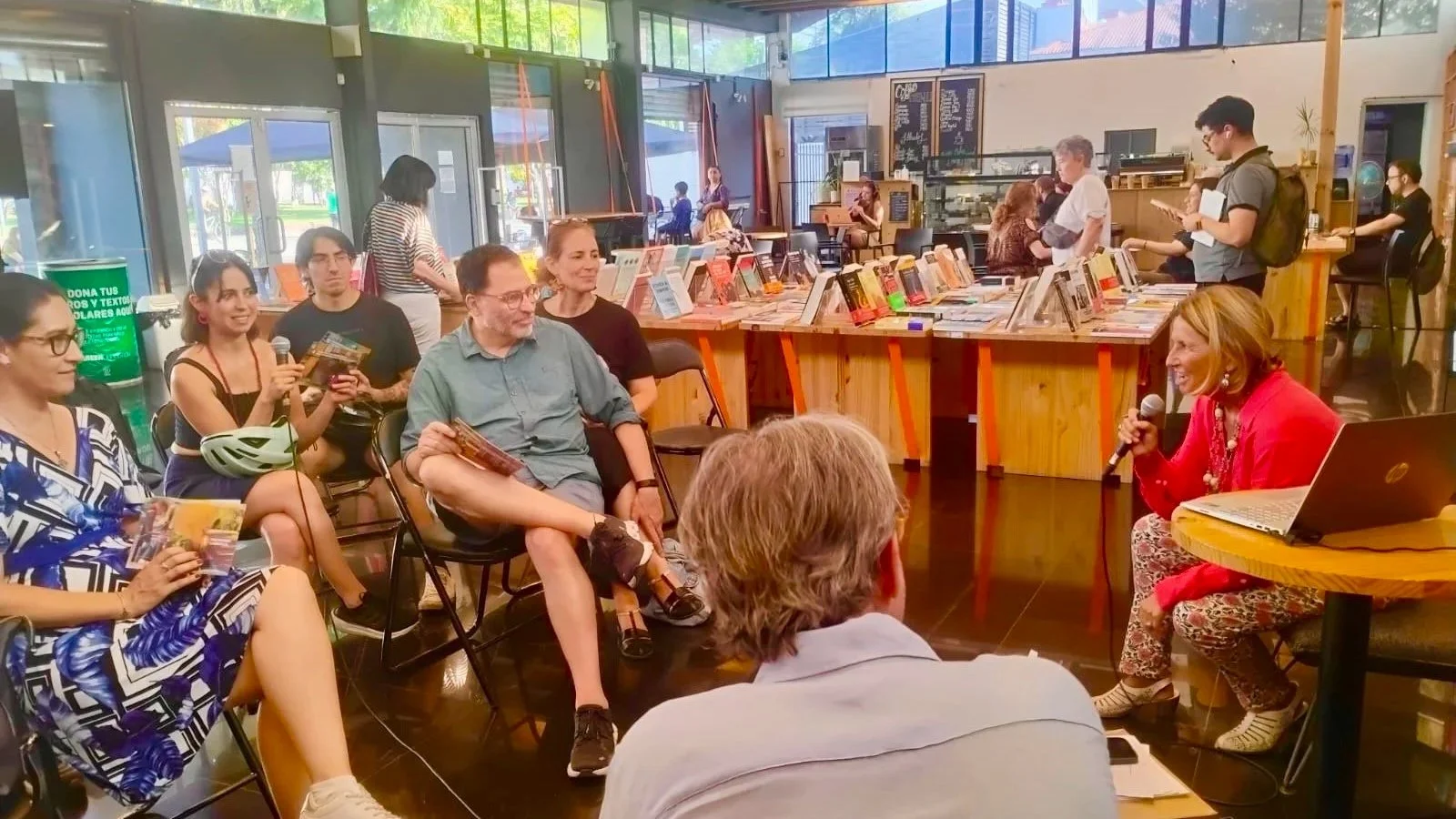
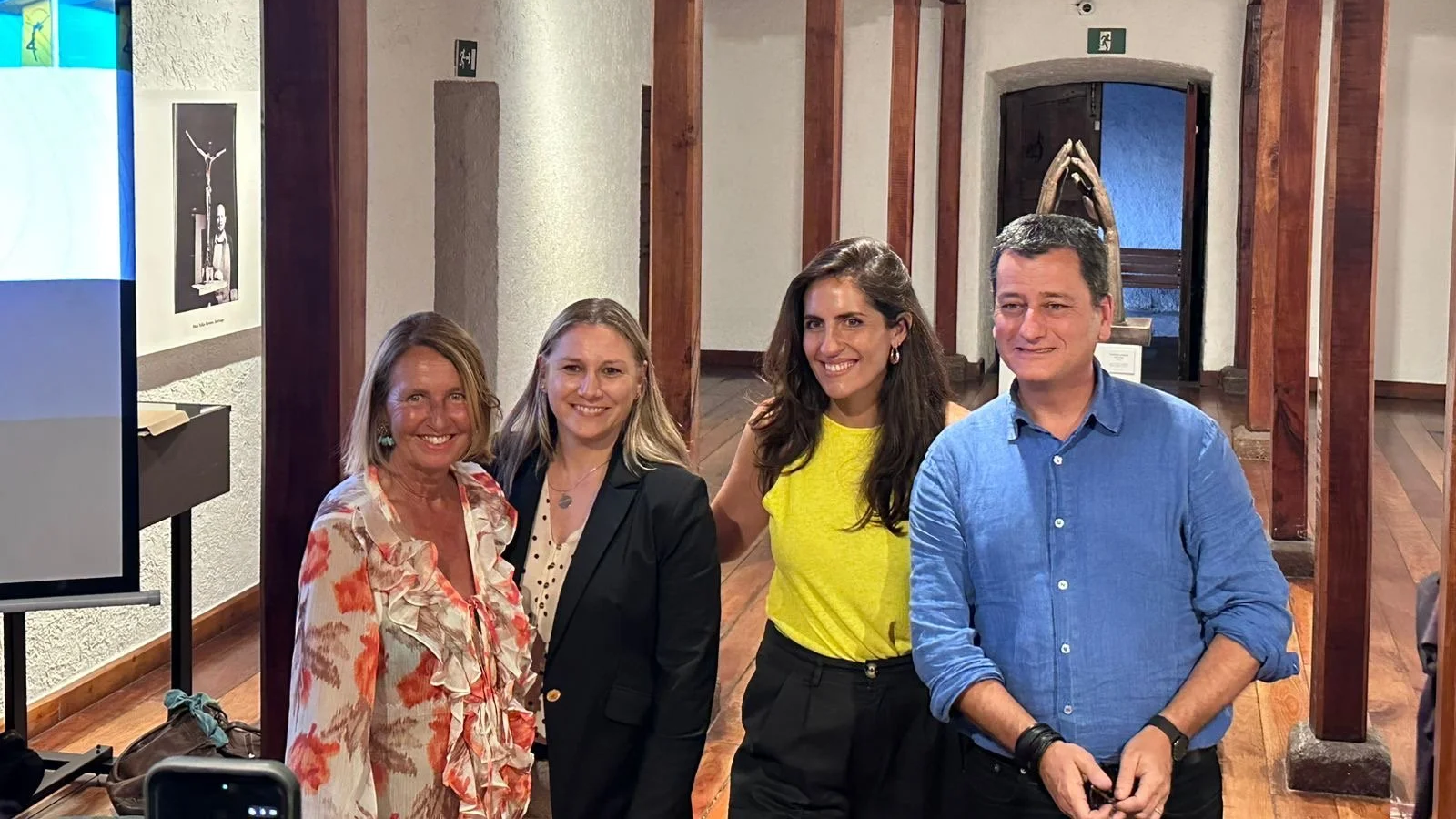
During the multifaceted conversatorio at the Lo Matta Cultural Center and Museum in Vitacura, I explored – alongside architect and Dean of the Faculty of Architecture and Arts Pablo Allard, CNN Chile journalist Paloma Ávila, and landscape architect Daniela Casanello – how the potential for gender-sensitive biophilic urbanism is grounded in the uniqueness and lived experience of place.
Daniela Casanella illustrated this by sharing how the Vitacura Green Infrastructure Plan is conceived as a tejido verde: a collaboratively designed network that weaves together private gardens, neighbourhood spaces, streets, parks, hillsides, and the Mapocho River into a continuous living system. Working across scales – from mi jardín to the communal and city level – the plan reframes green infrastructure as shared responsibility rather than a collection of isolated interventions
Here, trees are not added as decoration but are engaged as active participants in urban life – cooling streets, managing runoff, supporting biodiversity, and enhancing everyday comfort. By linking ecological function with social collaboration, the plan strengthens both environmental performance and residents’ sense of belonging, demonstrating how even highly urbanised territories can regenerate through carefully woven relationships. Listening to women as experts of their neighbourhoods while rewinding Santiago!
Designing
To strengthen living webs of reciprocity
Across these encounters, one insight consistently surfaced: Chile’s resourcefulness lies in the depth and quality of its relationships. Land, knowledge, skills, cultural practice, and political imagination are understood as interdependent forces, continually informing and regenerating one another. Regenerativists engage places, organisations, bioregions, World Heritage sites, and barrios as living webs of reciprocity – systems in which each participant contributes to the vitality of the whole and is, in turn, sustained by it.
This is bio-cultural-spatial co-evolving mutualism in practice: people, ecologies, institutions and territories moving together toward higher orders of expression. Perhaps this is why ideas here already know one another. In Chile, regenerative practice is an instrument of evolution.
Grateful
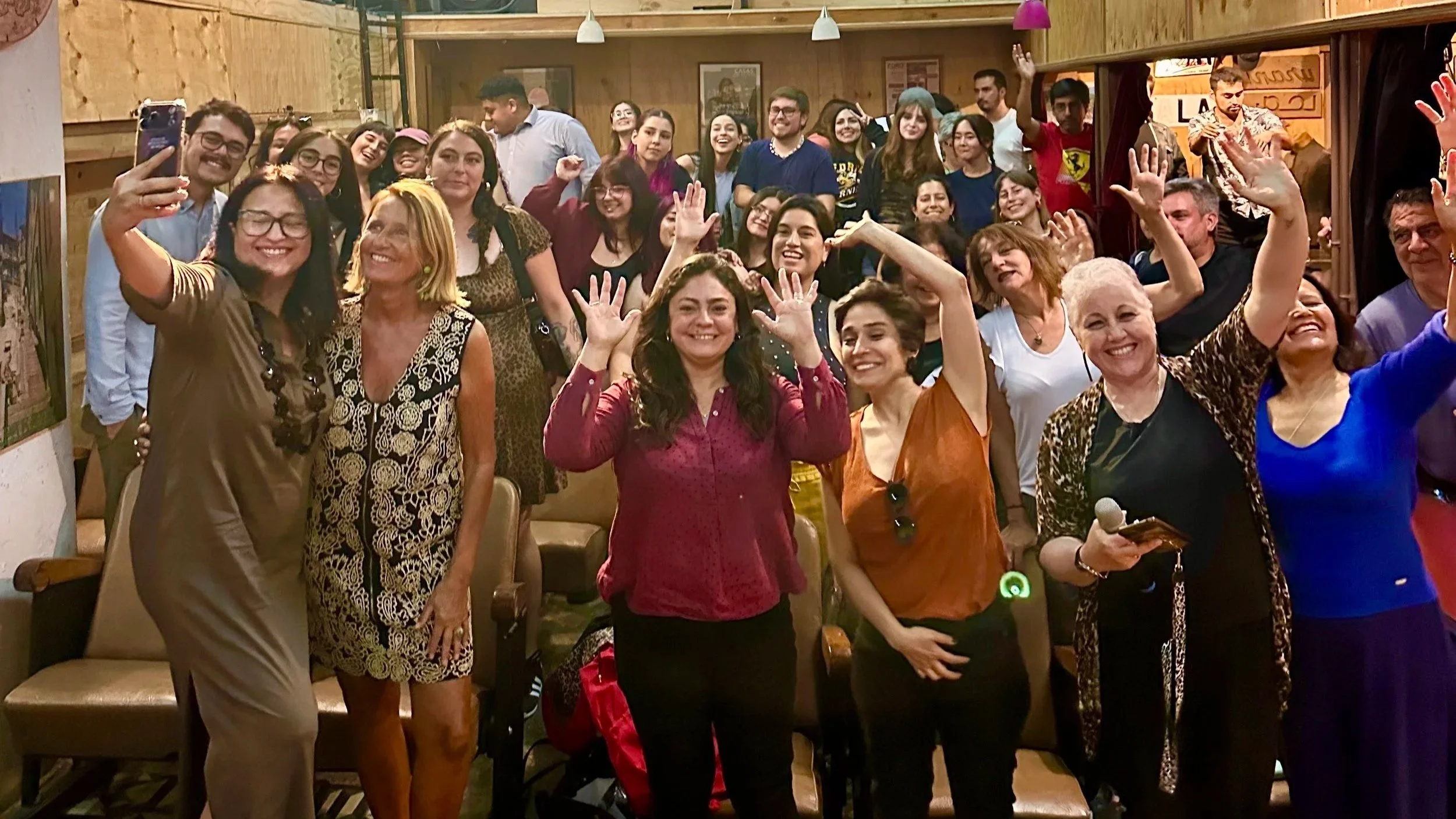
For the depth and quality of relationship that I experienced in this journey