
What if Brighter Isn’t Safer? Re-imagining Urban Lighting Through Women’s Lived Experience
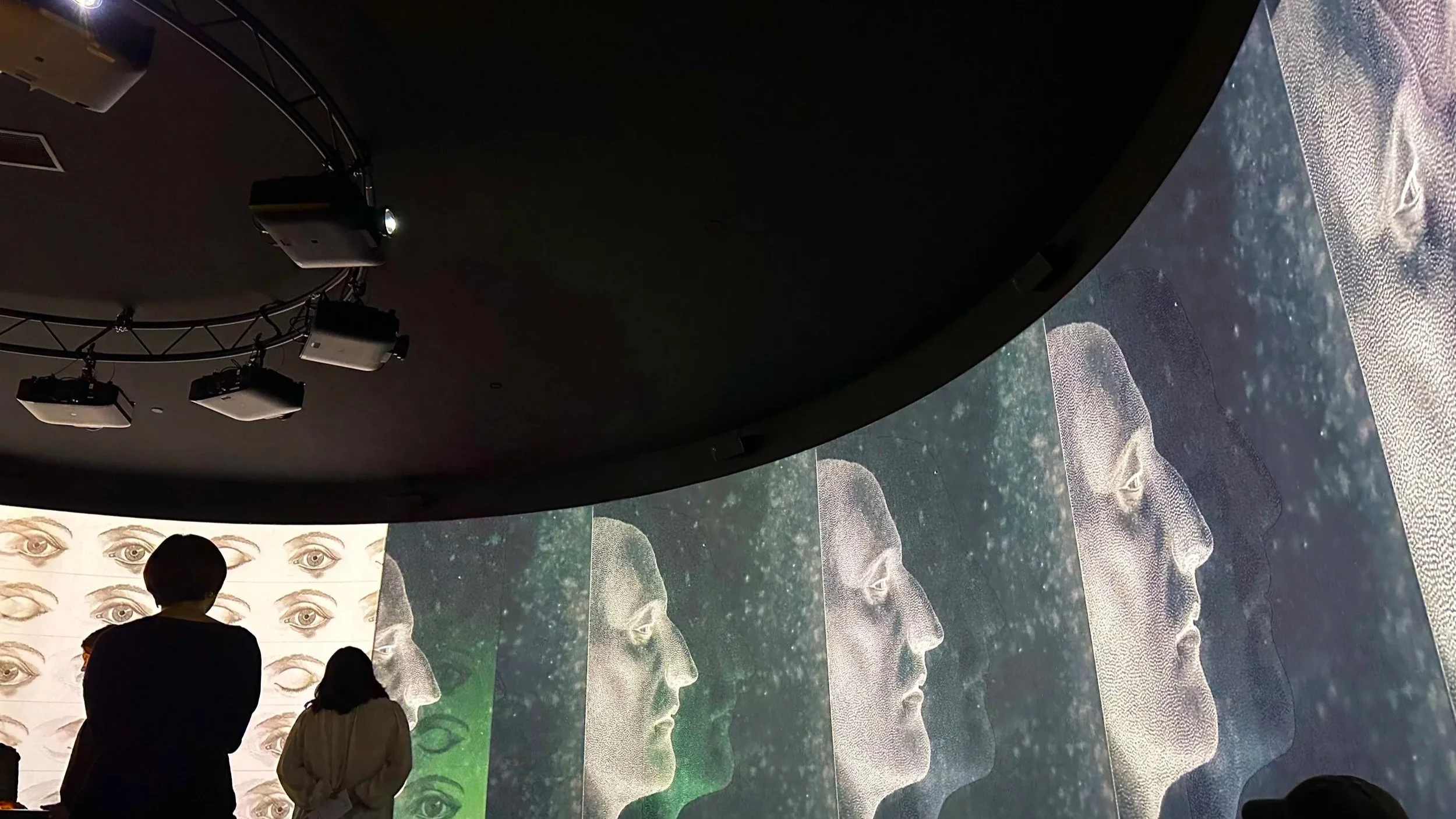
What if we designed lighting of our cities with women and girls in mind?
Cities have historically been planned and built primarily by taking the male experience as reference. As a result, they tend to function better for men than for women, children, older adults, people with disabilities, and individuals across a range of gender identities.
For decades, the “standard user” shaping urban environments has been implicitly understood as an able-bodied adult man moving efficiently between home and work, often by car. When you don’t fit that profile, the city begins to fail short, and for many, those shortcomings are felt most acutely after dark.
Across the world, women modify routes, avoid spaces, or simply opt out of public life after dark not necessarily because of crime, but because of how spaces feel. Outdoor lighting plays a critical role in that perception. Yet the long-held assumption that brighter lighting automatically leads to safer environments is increasingly being questioned.
In a recent conversation with members of the Women In Lighting network at the Royal Incorporation of Architects in Scotland, a set of principles for gender-transformative lighting began to take shape.
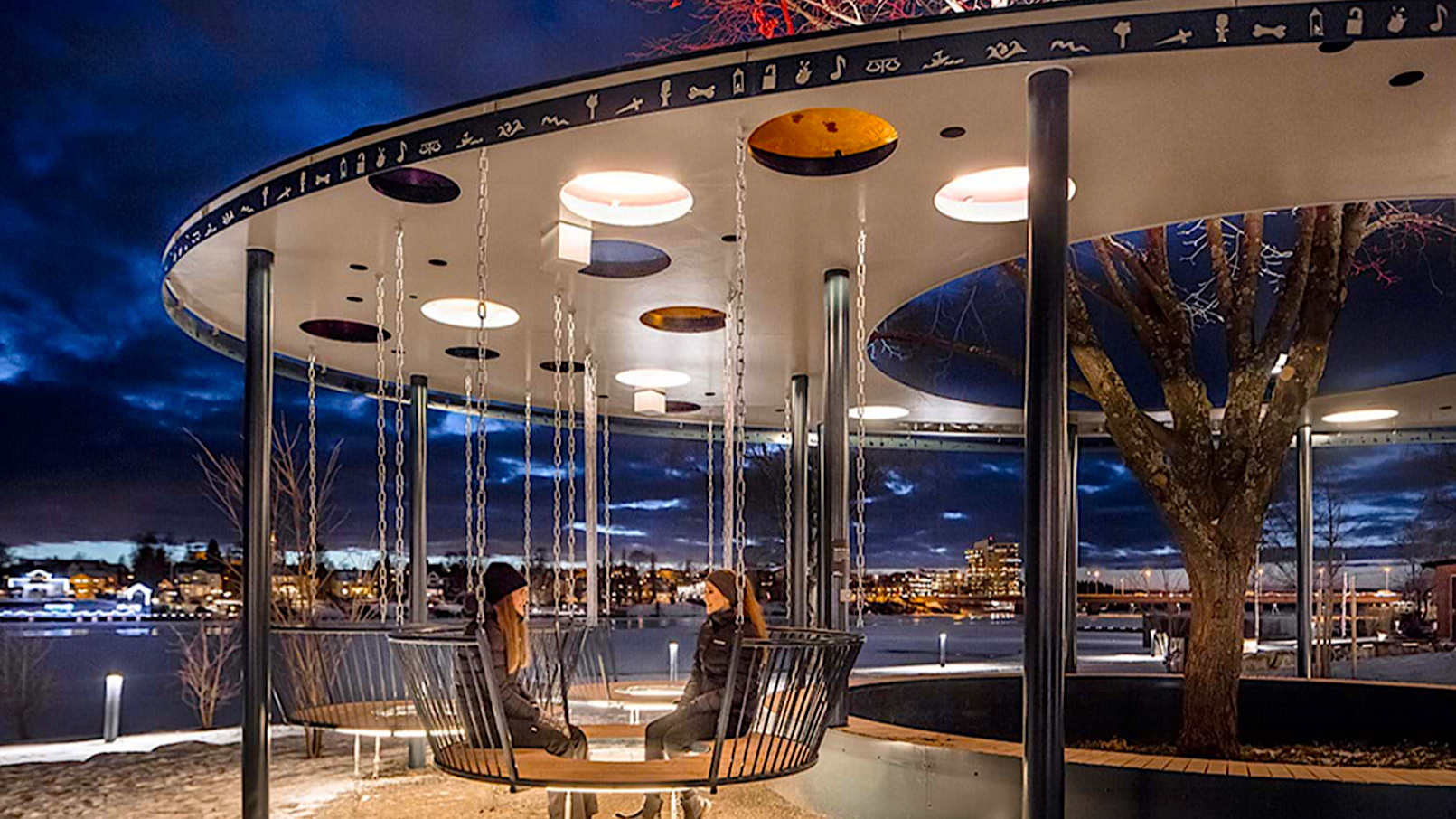
A softly lit gathering space in Umeå invites connection and comfort, illustrating how human-centered lighting design can transform public environments into places of belonging. Photo by Make Space for Girls
1. Start from Lived Experience, not only Standards
Lighting standards typically focus on measurable factors such as lux levels, glare reduction, and uniformity, but they often overlook how spaces actually feel to the people who use them. In Umeå, this gap was addressed through co-design with women and girls, whose lived experience revealed issues invisible to conventional planning.
Projects such as Frizon in Årstidernas Park show how small but thoughtful interventions, like warm and localised seating lights, can create inviting and non-stereotypical spaces where teenage girls feel comfortable gathering, spending time, and nurturing a sense of belonging.
The Lev! tunnel offers a more radical transformation. A typology often associated with fear, long and enclosed underpasses, was reimagined through openness, generous proportions, and integrated lighting. Curved entrances improve visibility and allow users to anticipate who is approaching. Continuous and enveloping light removes shadows, while reflective materials enhance visibility. The design also incorporates an element of beauty often absent in purely functional infrastructure.
The result is not just increased safety, but a space that communicates something deeper: you are seen, and you belong here
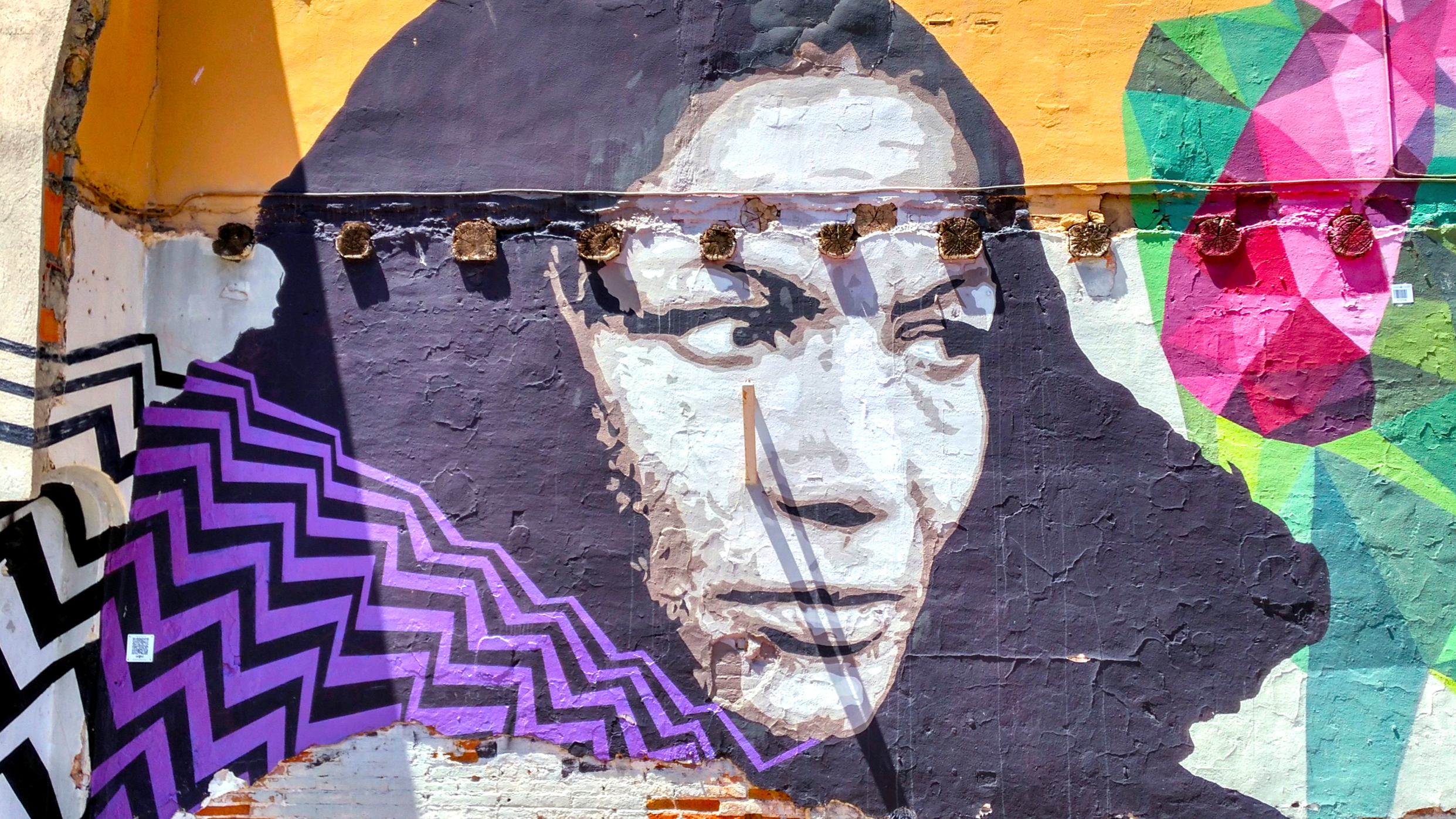
From anxiety to attentiveness: design transforms overlooked spaces into places people can see. read, and confidently move through.
2. Transform Zones of Anxiety
Cities are not experienced equally throughout the day. After dark, access becomes uneven, creating what can be described as temporal inequality. In Vienna, planners worked closely with women to map “zones of anxiety”, aiming to improve safety and accessibility in public spaces.
These areas often shared common characteristics: underground parking, poorly lit pathways, dark underpasses, and spaces that were difficult to oversee or navigate. The issue was not only the absence of light, but the lack of visibility, clarity, and connection to surrounding activity.
Through the city’s gender mainstreaming approach to public lighting, these areas were gradually transformed. This required a shift in priorities, moving beyond lighting designed primarily for vehicular traffic towards a more holistic focus on the pedestrian experience. Paths, crossings, parks, and in-between spaces were reconsidered and more carefully illuminated.
The strategy was implemented systematically, from targeted upgrades in over 26 locations to broader initiatives such as park lighting assessments and improvements to pedestrian crossings across the city.
The transformation was not only physical, but perceptual—reducing anxiety by making spaces more visible, legible, and easier to navigate.
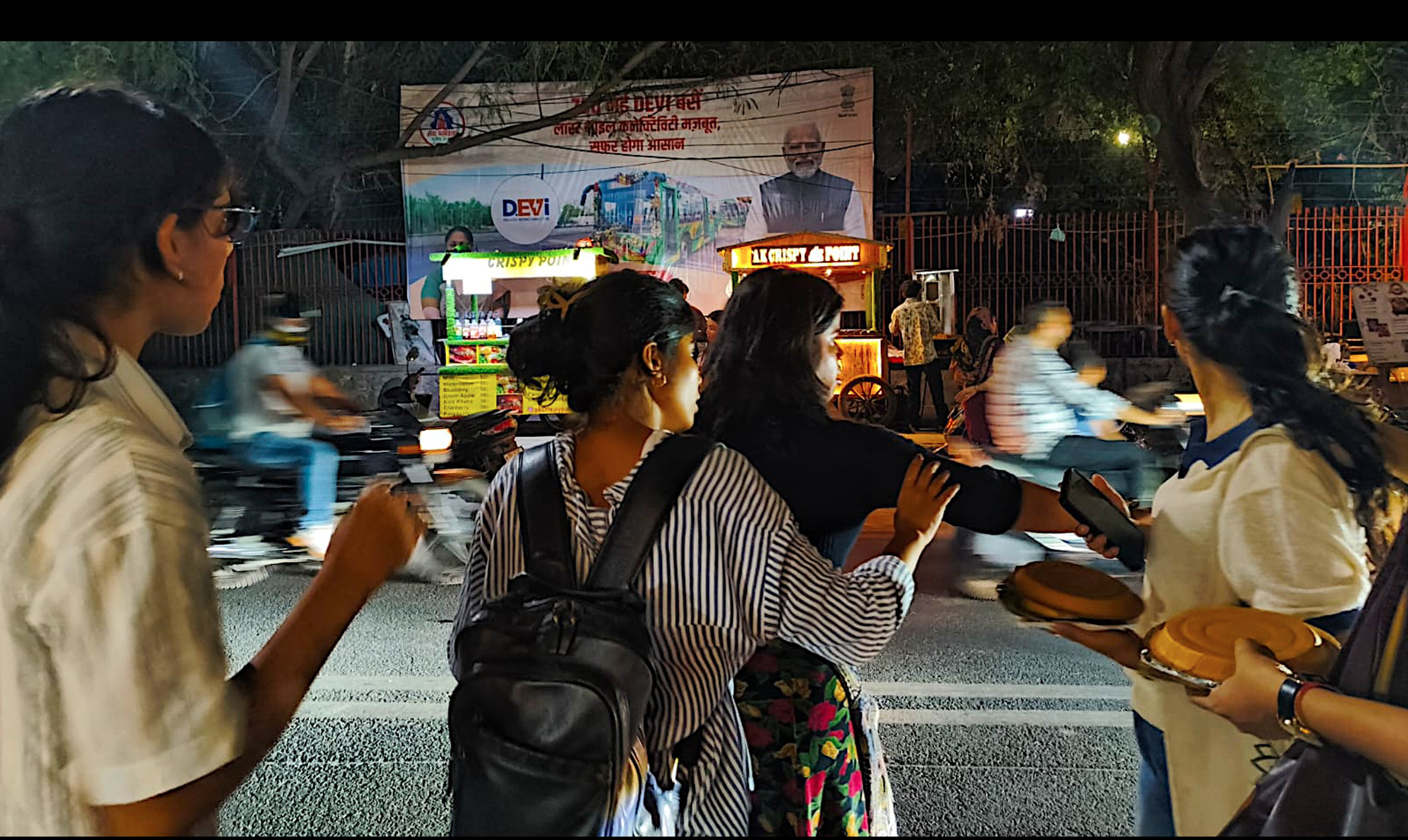
Women Walk at Midnight initiative began in Delhi in 2016, and since then inspired many other groups across India and beyond Picture by Women Walk at Midnight
3. Lighting is Social, not just Technical
Lighting shapes how space is shared and who feels able to inhabit it. Initiatives like as Women Walk at Midnight, make this visible through collective action. As participants express: ‘We walk, … in the hope that one day each woman can walk alone, at midnight, everywhere’. By walking the streets together after dark, women challenge the notion that public space at night is not for them.
In this context, lighting should do more than provide illumination– it should actively invite participation. Its impact is strongest when integrated with urban interventions that support clear sightlines, active edges, and spaces where people can see and be seen. By reinforcing activity and extending the conditions for “eyes on the street”, lighting helps cultivate mutual awareness community interaction, and a shared sense of belonging.
Lighting, then, is not just a technical layer in the urban fabric. It is a manifestation of social infrastructure that can either support or undermine the experience of being present with others in the city. When thoughtfully designed, it acts as a ‘silent orchestrator’ transforming public spaces into environments where people feel welcome to stay, engage, and connect.
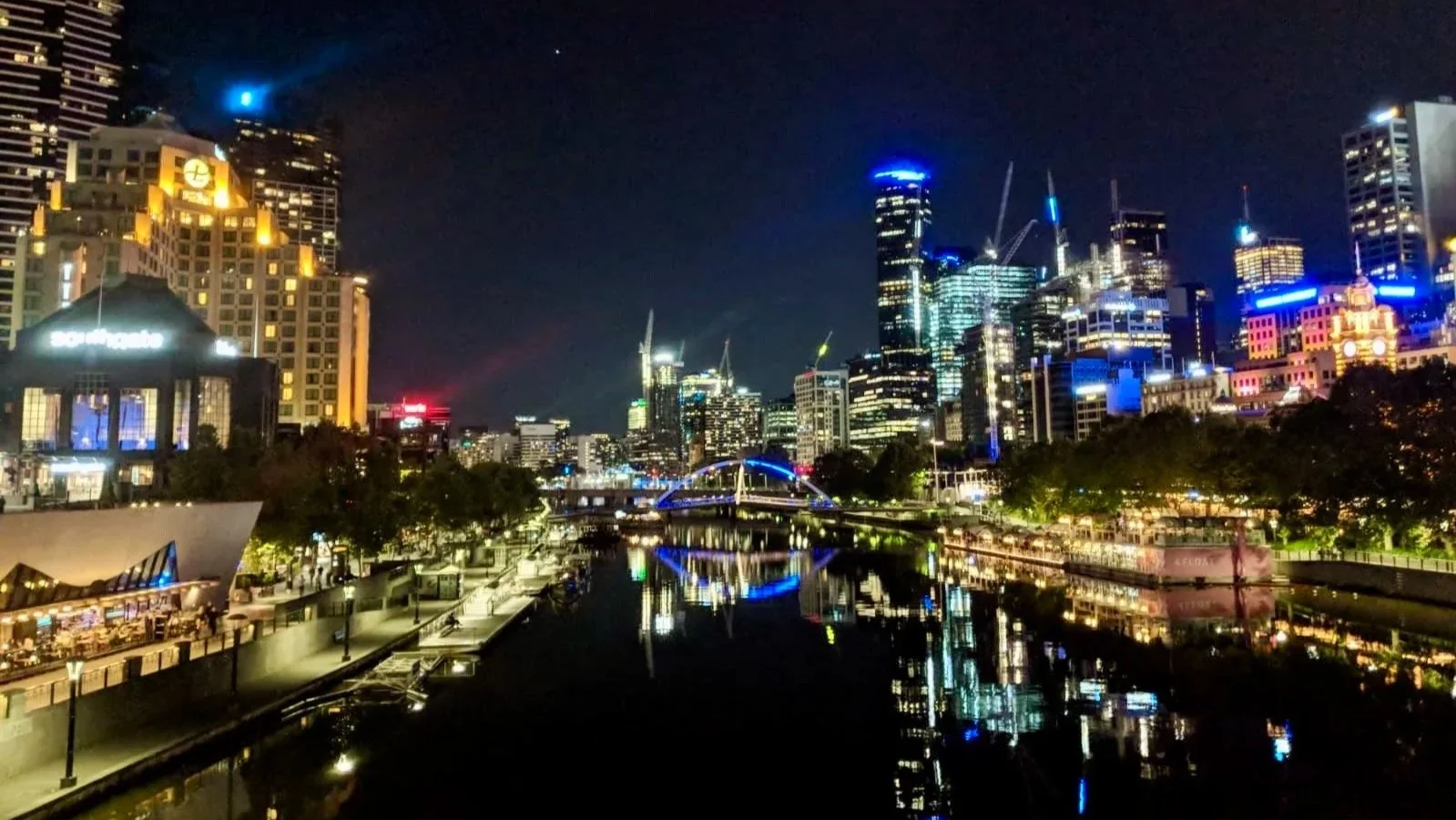
A key result of Monash University research in Melbourne - deferring brighter cities does not necessarily create safer spaces for women and girls Picture by Tara Gibsone
4. Pursue Quality, not Quantity
The assumption that more light is more safety is questionable. In Melbourne, research conducted with Monash University, XYX Lab, and ARUP analysed over 900 night-time experiences shared by women and girls. The findings revealed that while lighting strongly influences perceptions of safety, its effectiveness depends on how it is designed, not simply how much is provided.
Many spaces described as unsafe were not poorly lit, but overly bright. Excessive illumination created glare, sharp contrasts, and deep shadows, reducing visual clarity and making it harder to interpret surroundings or anticipate movement. Instead of reassurance, these environments often produced discomfort and disorientation.
This points to a broader issue: an overreliance on brightness as a proxy for safety. Like ‘visual junk food’, an abundance of artificial light can overwhelm rather than support perception. The goal, then, is not more light—but better light: carefully calibrated, context-sensitive illumination that enhances visibility, supports spatial understanding, and aligns with how people actually experience the city at night.
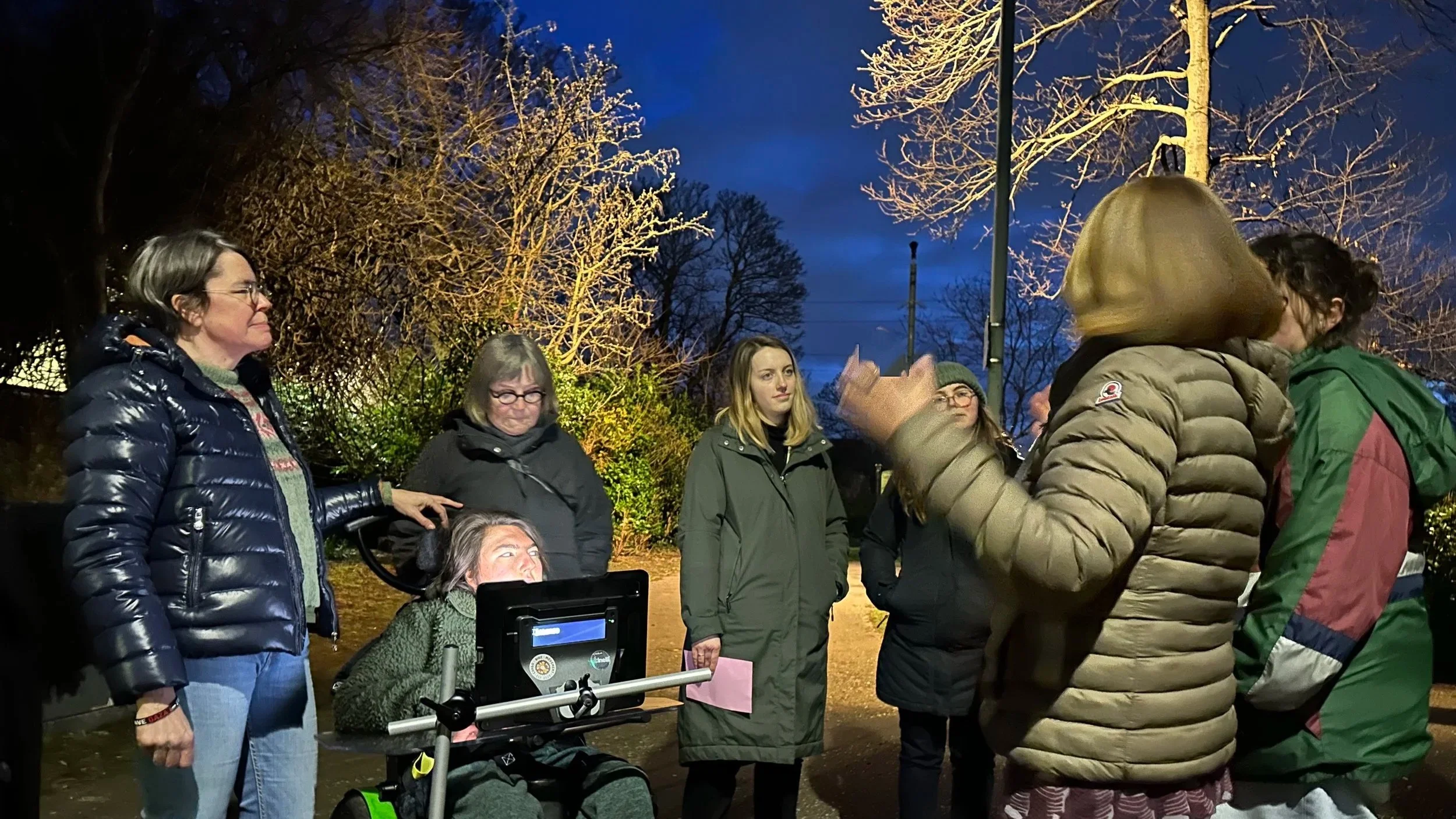
Night Walks, light diaries and safe audits - many ways for identifying and transforming areas that feel unsafe, such as underpasses, isolated parks, or dark alleyways
Conclusion
If cities feel unsafe after dark, the issue is not simply a lack of lighting. More often, it reflects a mismatch between how lighting is designed and how spaces are experienced. Good urban lighting, therefore, cannot be reduced to technical standards, energy targets or brightness levels alone. It requires understanding how people move, gather, and perceive space at night. When thoughtfully designed, lighting can foster comfort, encourage interaction, and make places feel inviting rather than exposed.
The Earth is getting brighter. According to NASA-funded research, artificial light at night increased globally by 16% between 2014 and 2022, driven by rapid urbanisation and expanding electric grids. If this trend continues, the design challenge ahead of us is not whether we light our cities, but how.?
What principles will guide us as we illuminate more of the night? Designing with women and girls in mind expands the scope of the city. It leads to environments that are more legible, inclusive, and usable for everyone. A gender-transformative approach to lighting ensures that this growing brightness translates into cities that feel safer, more inclusive, and truly lived in by everyone.
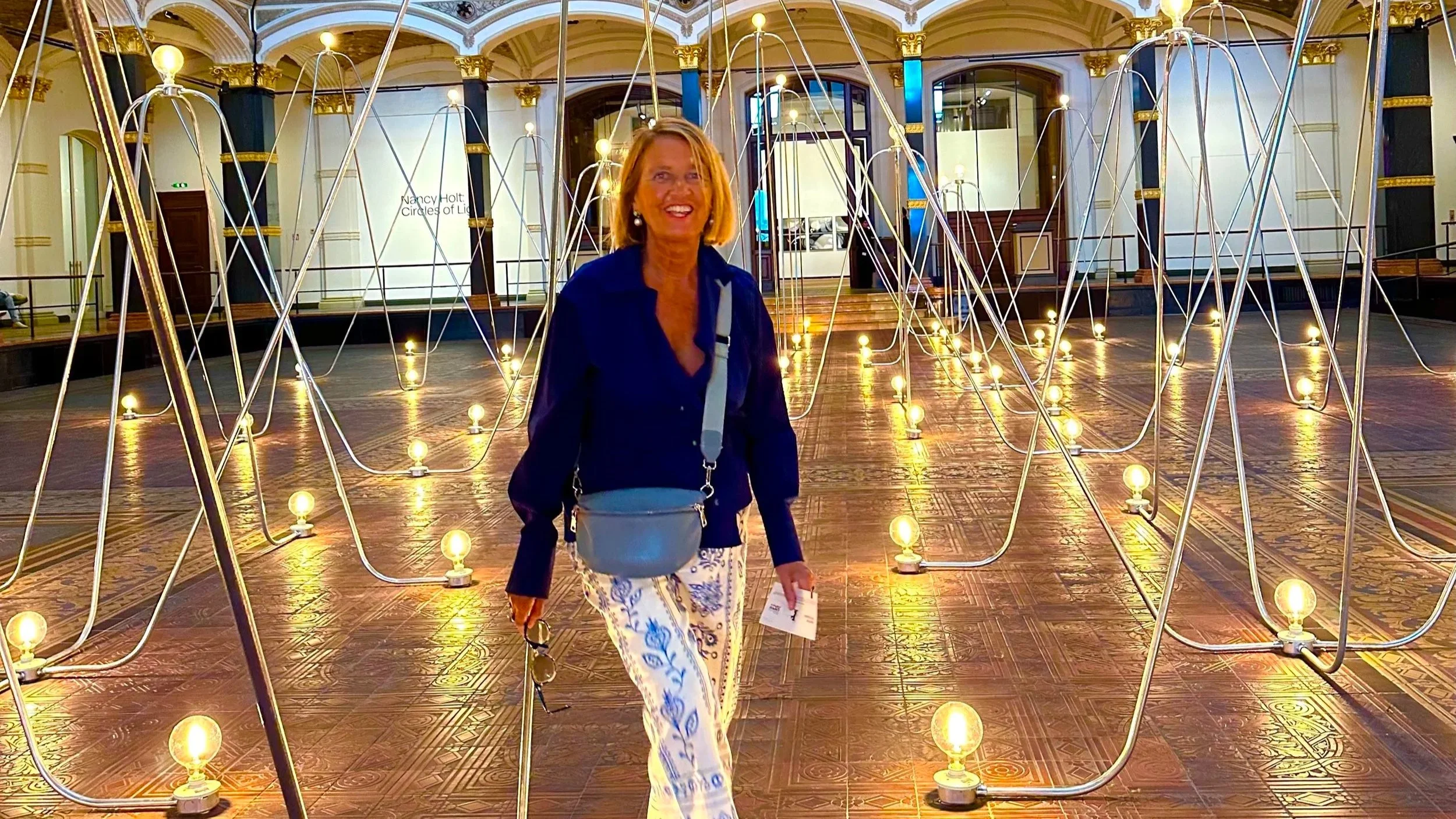
When cities work better from women and girls they work better for everyone.- key message of my book What if Women Designed the City?