
The Joy of Being Published by Independent Publishers
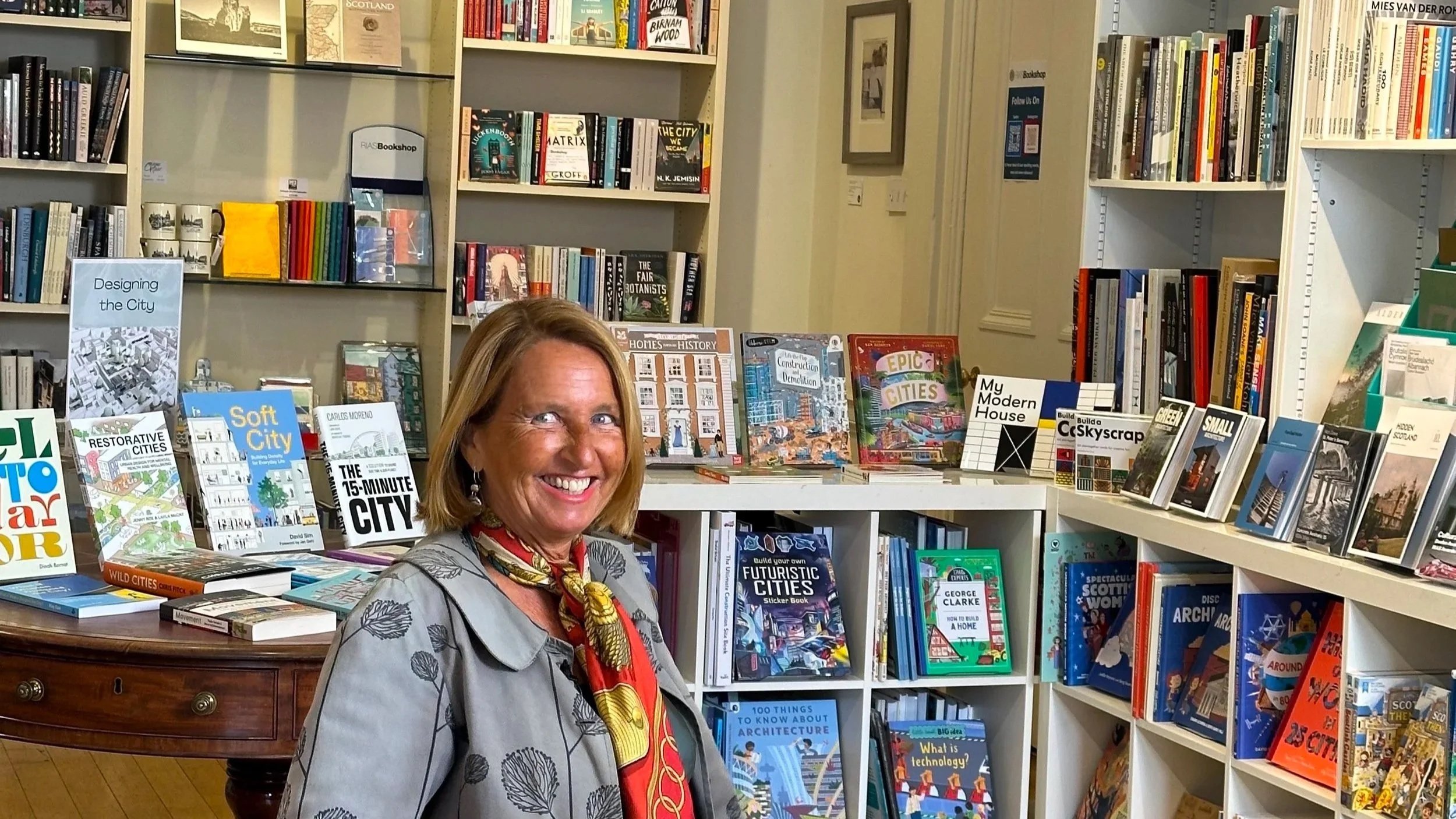
Independent publishers count on specialised bookshops like RIAS, Scotland’s architectural bookshop – a jewel in Edinburgh’s West End
There is something uniquely thrilling about seeing my research brought to life by independent publishers who are actively pushing the boundaries of knowledge while nurturing a living systems mindset. Triarchy Press, Bambual Editora, and EcoHabitar Editorial do far more than produce books; they cultivate ideas, foster communities of learning, and host conversations that genuinely matter. Working with them feels less like a publishing royalties transaction and more like a shared journey dedicated to expanding thought horizons and deepening our collective care for the world.
This spirit is especially evident at Triarchy Press, a UK-based systems-thinking publisher that champions authors, books, and ideas encouraging us to stay attentive to the world in all its layered complexity. From Daniel Christian Wahl — who first introduced me to Triarchy — to Sarah Ichioka and Michael Pawlyn’s Flourish: Design Paradigms for Our Planetary Emergency; from Nora Bateson’s rich collections of essays, reflections, poetry, and artwork to futurist Andy Hines’s decade-long exploration of what comes after capitalism, Triarchy’s authors range across somatics, regenerative design & leadership, and the future of economic systems.
Complementing this remarkable catalogue is the Triarchy Press Idioticon, a living glossary of more than one hundred of the most compelling terms in systems and complexity thinking. Many of these concepts emerge directly from Triarchy’s books; others arrive from adjacent fields, offering lateral connections that deepen and enrich the conversations already unfolding through their authors’ work. My own book, What if Women Designed the City? published by Triarchy in January 2024, became part of this evolving dialogue — giving rise to Idioticon entry 91: Co-evolving Mutualism.
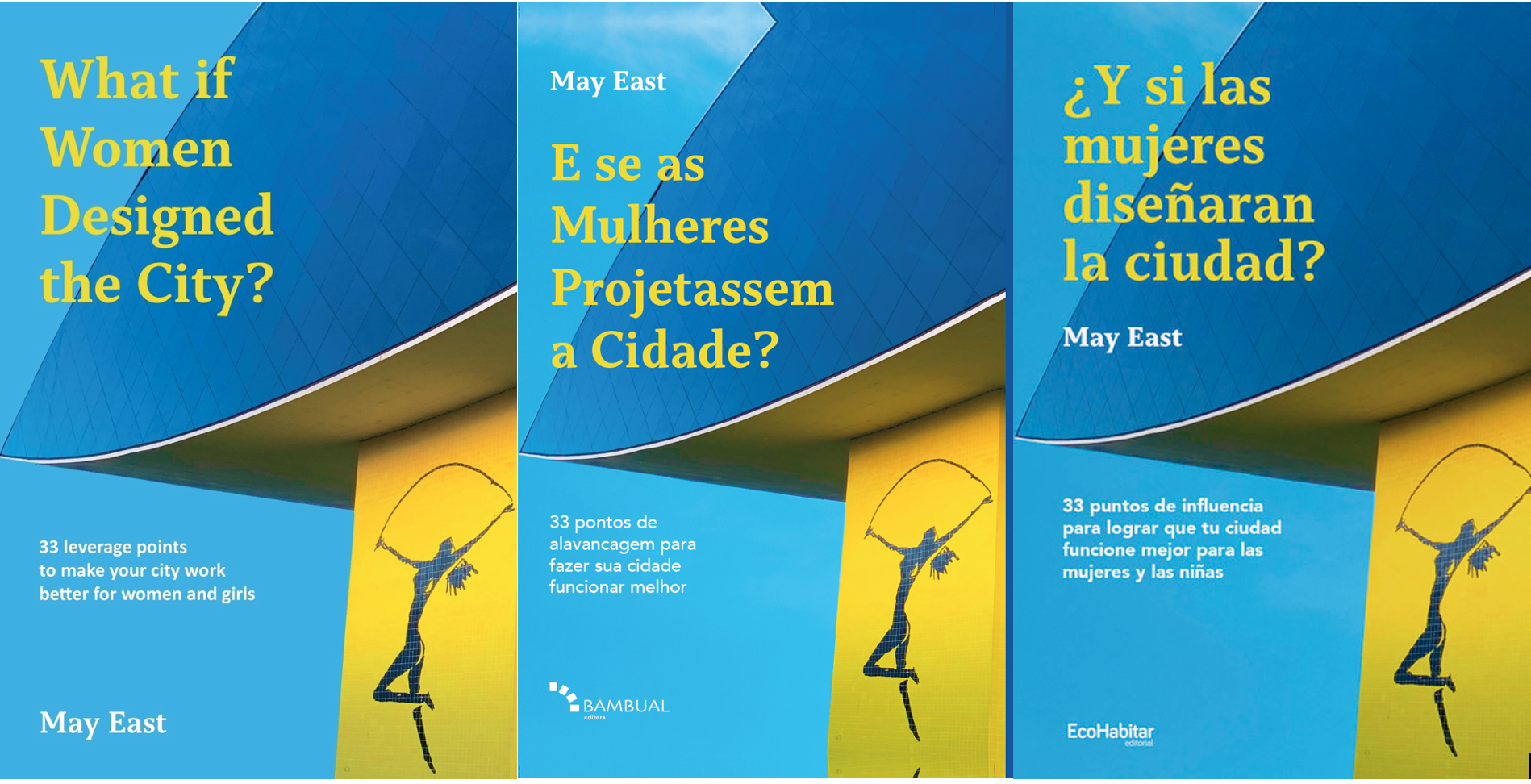
The image on the book cover was taken at the iconic Museu Oscar Niemeyer (MON) during one of my study trips to Curitiba.
In Brazil, Bambual Editora brings this same catalysing energy into the Portuguese-speaking world. It positions itself as a facilitator of transformative knowledge, working hand in hand with authors and projects to mobilize resources and networks, host events and create lived experiences that extend far beyond the printed page.
Born from one of the design collectives that emerged from Brazil’s vibrant Gaia Education design co-horts, Bambual has developed one of the most contemporary catalogues in regenerative design. Its list features many first-time authors from both Brazil and the Global North, reflecting a strong commitment to emerging voices and cross-cultural exchange.
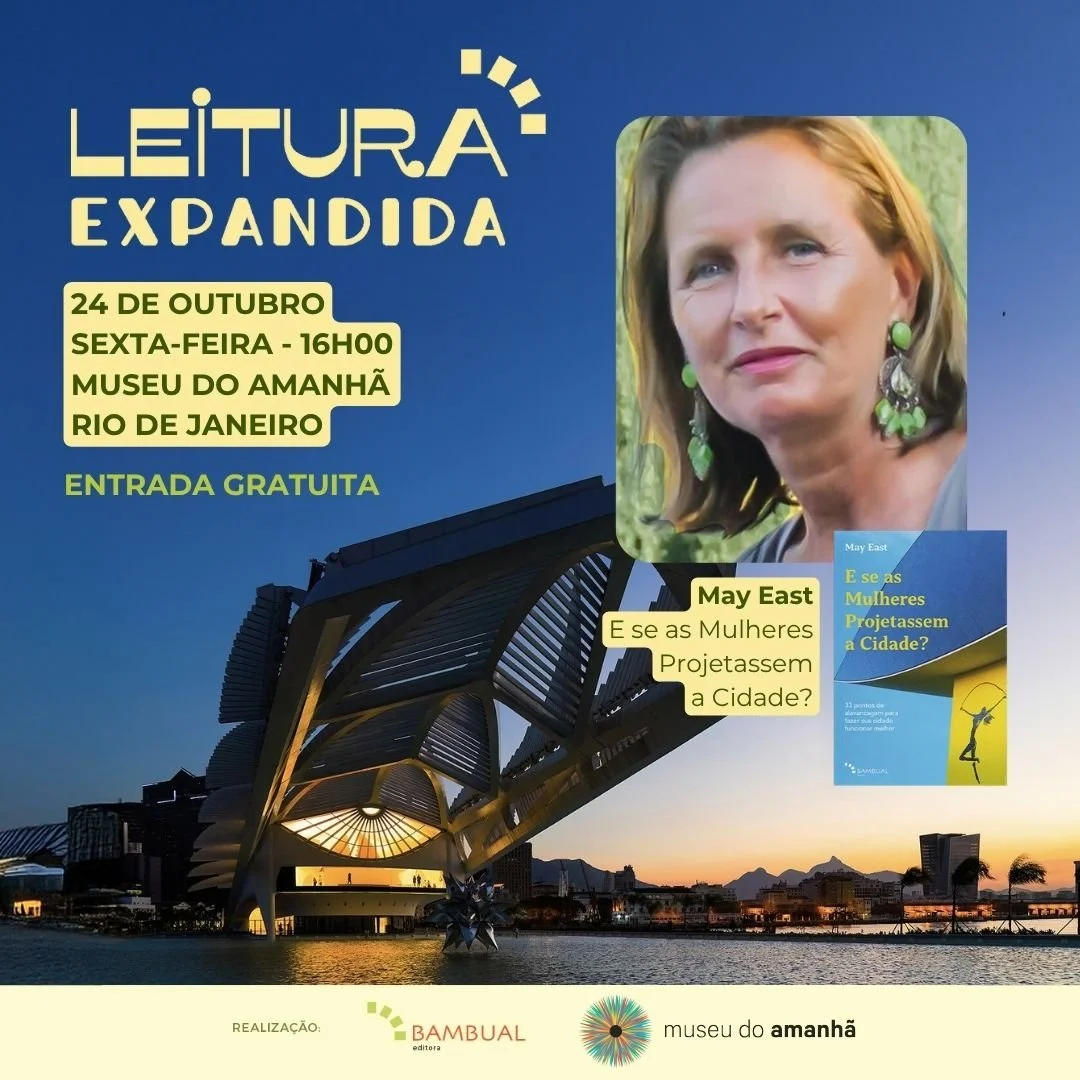
In the lead-up to COP30, Bambual partnered with the Museu do Amanhã to host Expanded Reading — an open public dialogue featuring authors such as Coral Michelin Design Ecossistêmico, Julio de Ló’s Sedução Algorítmica, Fábio Escarano’s Diálogos Regenerativos para Futuros Sustentáveis, and myself.
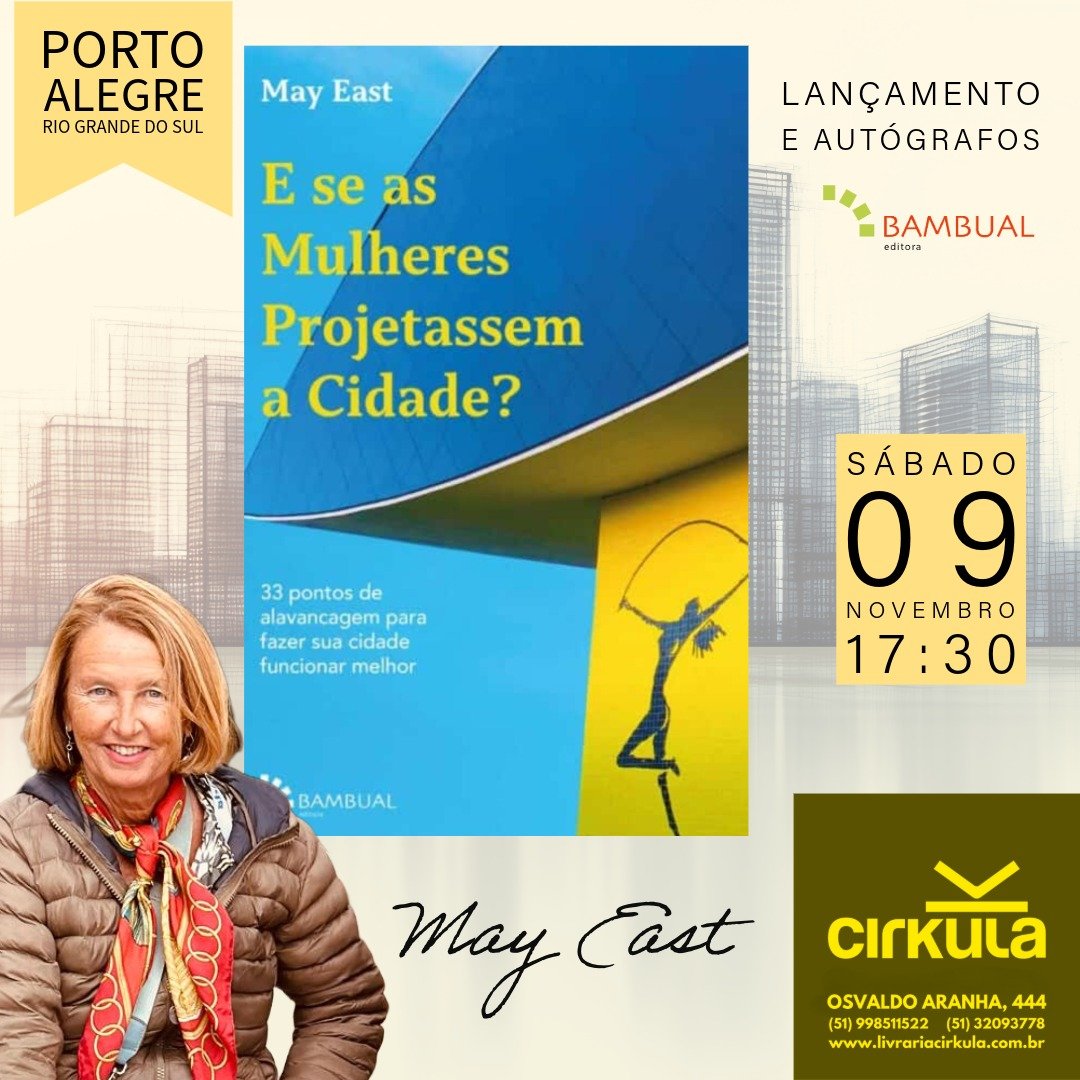
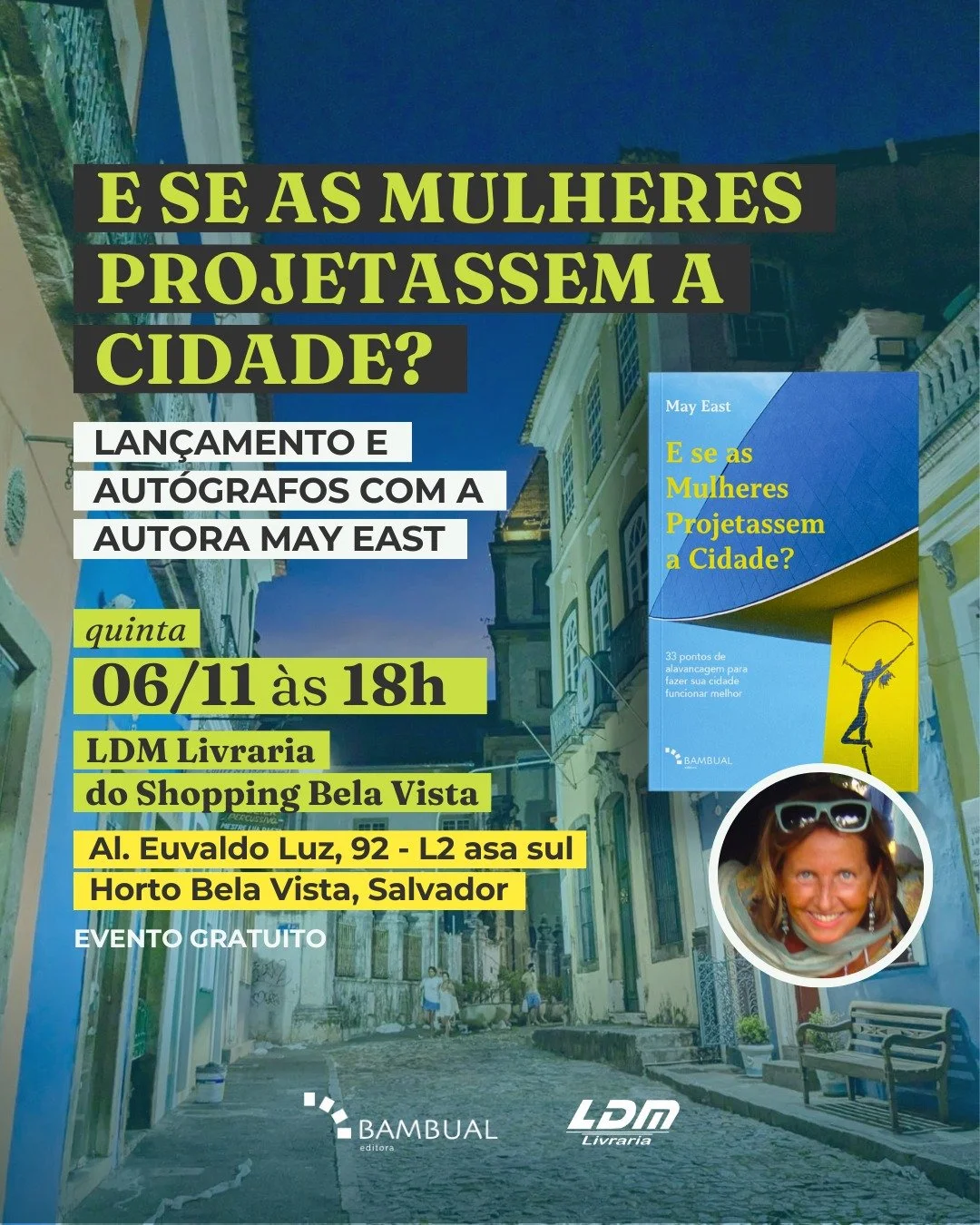
Publishing with Bambual has been an invitation to participate in a South-to-North movement for transition — and to join their club of expanded minds. My book E se as Mulheres Projetassem a Cidade? was published by Bambual in November 2024 and since then we have held several launches across the country with Bambual’s support.

Meanwhile, EcoHabitar Editorial in Spain offers a powerful platform for Spanish-language readers across 21 countries. Founded as a magazine devoted to bioconstruction, permaculture, and regenerative culture, EcoHabitar has grown into a multi-format resource for ecological living and community resilience. With my Spanish edition ¿Y si las mujeres diseñaran la ciudad? released in December 2025, my work now sits within a tradition deeply committed to bioconstruction, permaculture, regenerative culture, and community resilience.
What unites these independent presses is not simply their geographical spread, but their shared commitment to forward-looking thinking, glocal responsibility, and locally adaptable ecological wisdom. They understand publishing not as a commercial formula, but as a bio-cultural mission. Bold in vision, generous in collaboration, and fearless in the ideas they support, they reinforce a fundamental understanding that we are the Earth regenerating herself.
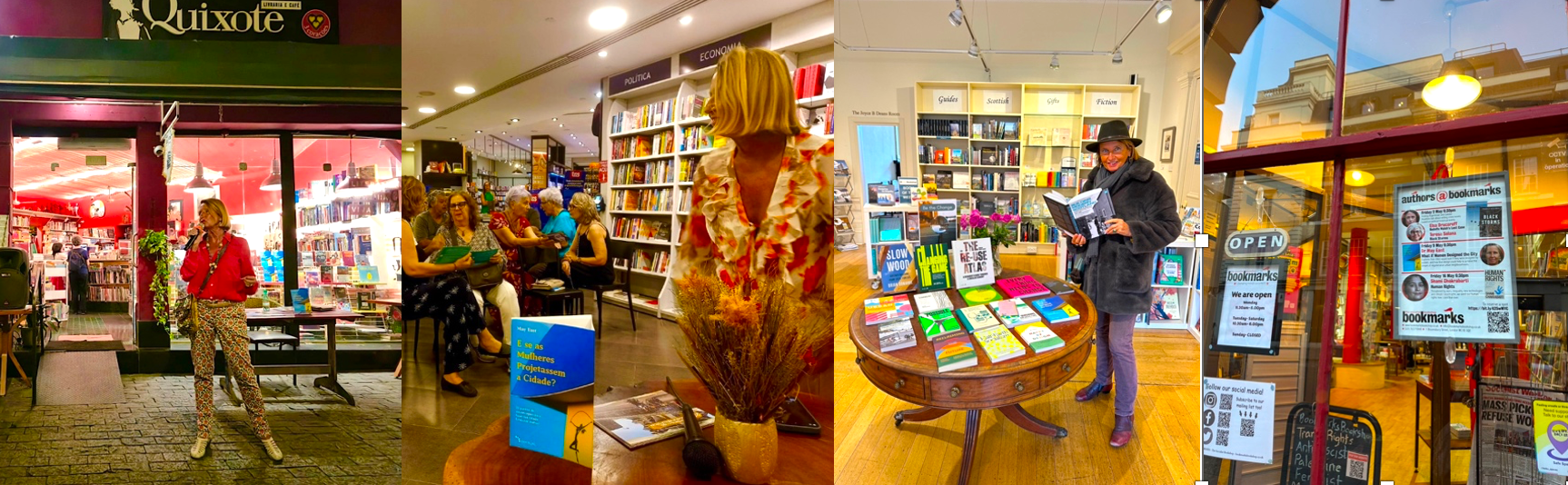
The joy of being published by such cutting-edge independents lies in knowing my work is not just being distributed, but truly held — placed within a living ecosystem of ideas that continues to grow, ripple outward, and inspire change. In a crowded publishing landscape, that kind of alignment is rare and deeply satisfying. As we look toward 2026, may we make it a shared intention to support independent publishers and bookshops, choosing where we buy our books as thoughtfully as the ideas we choose to read.