
Is the United Nations ready for its first woman Secretary-General?
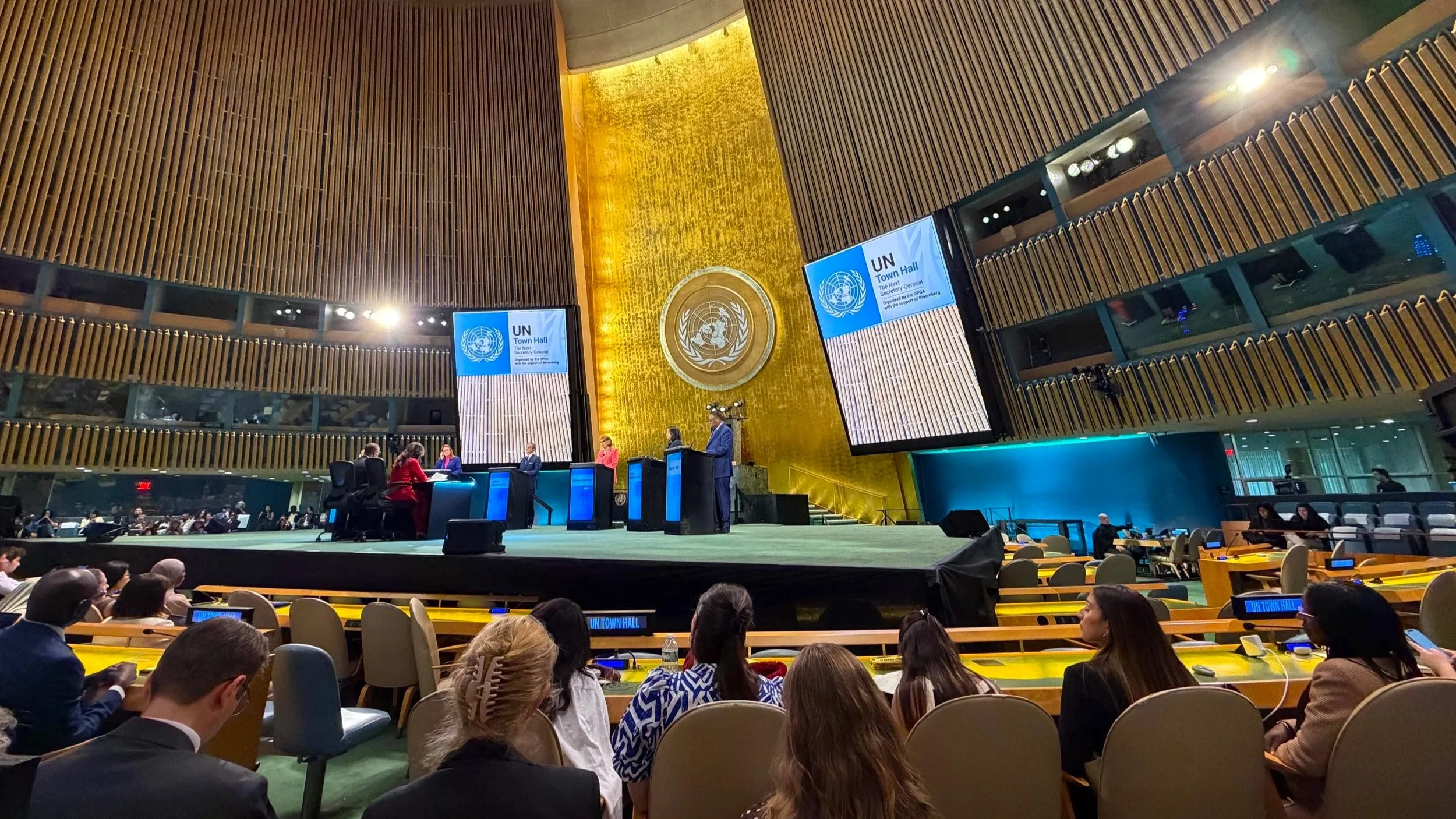
The UN Town Hall brought together six candidates for Secretary-General, including four women – an unprecedented moment in the organisation's eighty-year history
The United Nations has had nine Secretaries-General in its eighty-year history. Every one of them has been a man.
That reality made last week's Town Hall with the candidates for the next UN Secretary-General particularly significant. Of the six candidates on stage, four were women: Michelle Bachelet (Chile), Rebeca Grynspan (Costa Rica), María Fernanda Espinosa (Ecuador) and Carolyn Rodrigues-Birkett (Guyana). Joining them were Rafael Grossi (Argentina) and Macky Sall (Senegal).
The debate covered UN reform, the deadlock in the Security Council, tensions in the Strait of Hormuz, artificial intelligence, climate change, and how to renew an institution facing funding shortfalls and growing questions about its effectiveness.
For decades, Member States have spoken about gender equality while repeatedly selecting men to lead the United Nations. This year's candidates present Member States with a timely question:
Is the organisation finally ready to entrust its highest office to a woman?
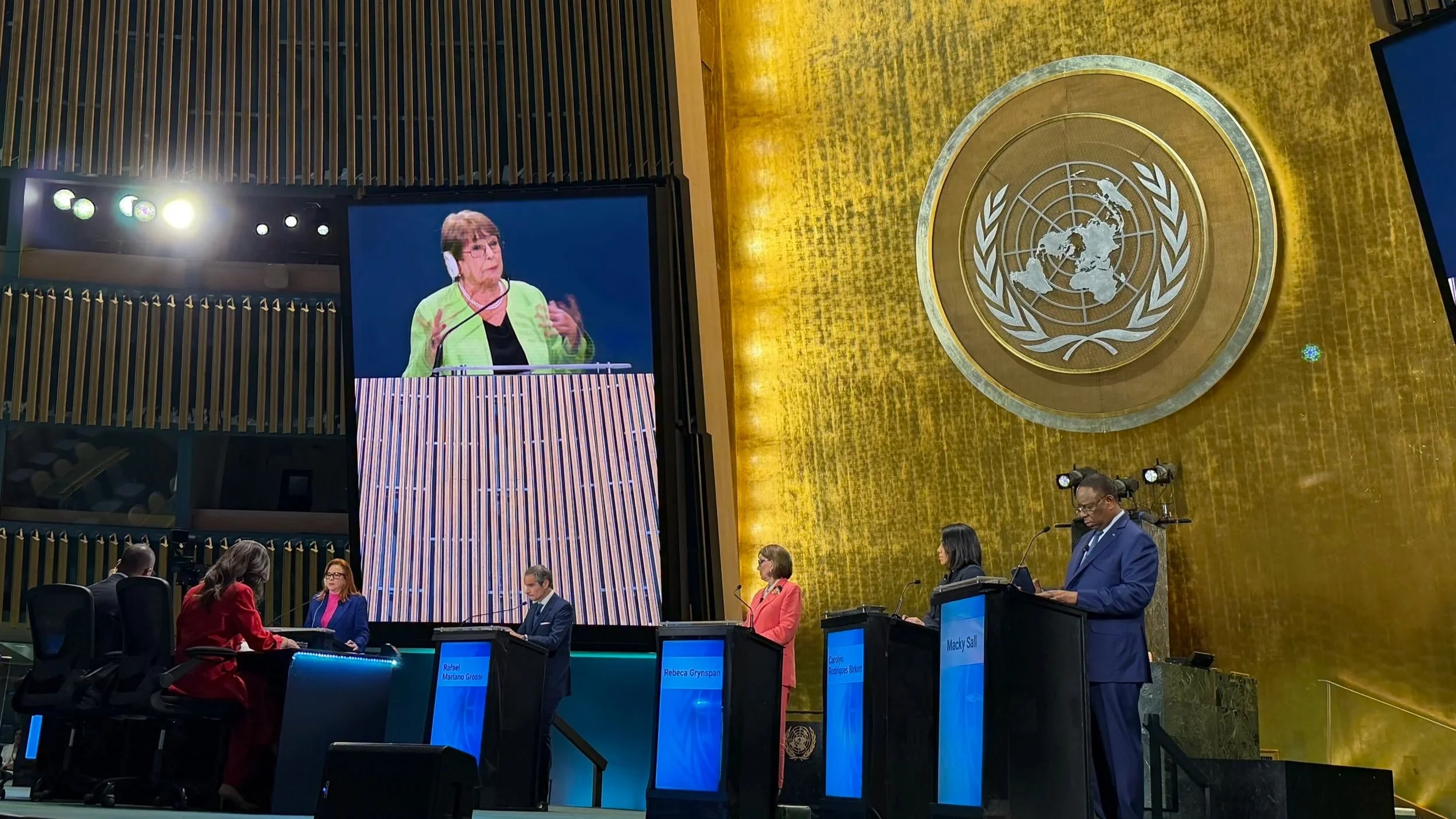
Michelle Bachelet argues for moral leadership and preventive diplomacy during the UN Town Hall on the selection of the next Secretary-General
Beyond this pertinent question, the discussion revealed six distinct yet complementary perspectives on what leadership of the United Nations demands at this moment in history. While their priorities differed, several themes emerged repeatedly: moral courage, preventive diplomacy, impartiality, persistence, presence in the areas of conflict and the ability to rebuild trust in an increasingly fragmented world.
Michelle Bachelet argued that moral leadership remains indispensable. Even when diplomacy appears to fail, she maintained, the Secretary-General must continue speaking out whenever international law is violated. Her experience as both Head of State and Executive Director of UN Women shaped a vision of leadership grounded in persistence, political judgement and the careful use of every instrument available under the UN Charter.
Rebeca Grynspan shifted the discussion from institutional paralysis to opportunity. ‘The blockade of the Security Council is when the job of the Secretary-General starts’, she observed, pointing to her experience brokering the Black Sea Grain Initiative as evidence that diplomacy can still create openings, even in highly polarised contexts. For her, moral authority alone is insufficient. The Secretary-General must be present, engage directly with parties and invest continuously in preventive diplomacy.
Carolyn Rodrigues-Birkett captured her approach to leadership in a simple observation: ‘One thing the Secretary-General does not have the luxury of doing is not trying’. Her vision emphasised practical leadership—building bridges, ensuring fairness between powerful and smaller nations, and leading effectively despite scarce resources.
Rafael Grossi, Director General of the International Atomic Energy Agency, drew upon his experience negotiating access to Ukraine's Zaporizhzhia nuclear power plant. Rather than measuring success by the number of Security Council resolutions adopted, he argued that today's geopolitical fragmentation requires an impartial Secretary-General capable of proposing concrete solutions. His remarks also highlighted a growing concern that the UN is increasingly absent from the negotiation tables where many contemporary conflicts are actually being resolved.
María Fernanda Espinosa reminded participants that today's conflicts extend far beyond battlefields. Wars now reverberate through energy markets, food prices and global supply chains. She argued there is always space for the Secretary-General to operate as an honest broker, provided the office maintains both persistence and a visible presence in conflict zones. Importantly, she framed climate change not only as an environmental issue but increasingly as a matter of peace and security.
Macky Sall returned repeatedly to rebuilding trust among increasingly divided Member States. His aspiration was to speak with everyone, even during periods of profound tension, creating what he described as ‘corridors of dialogue’ His metaphor of the Secretary-General as an organist, bringing different instruments into harmony, perhaps best captured the diplomatic complexity of the role.
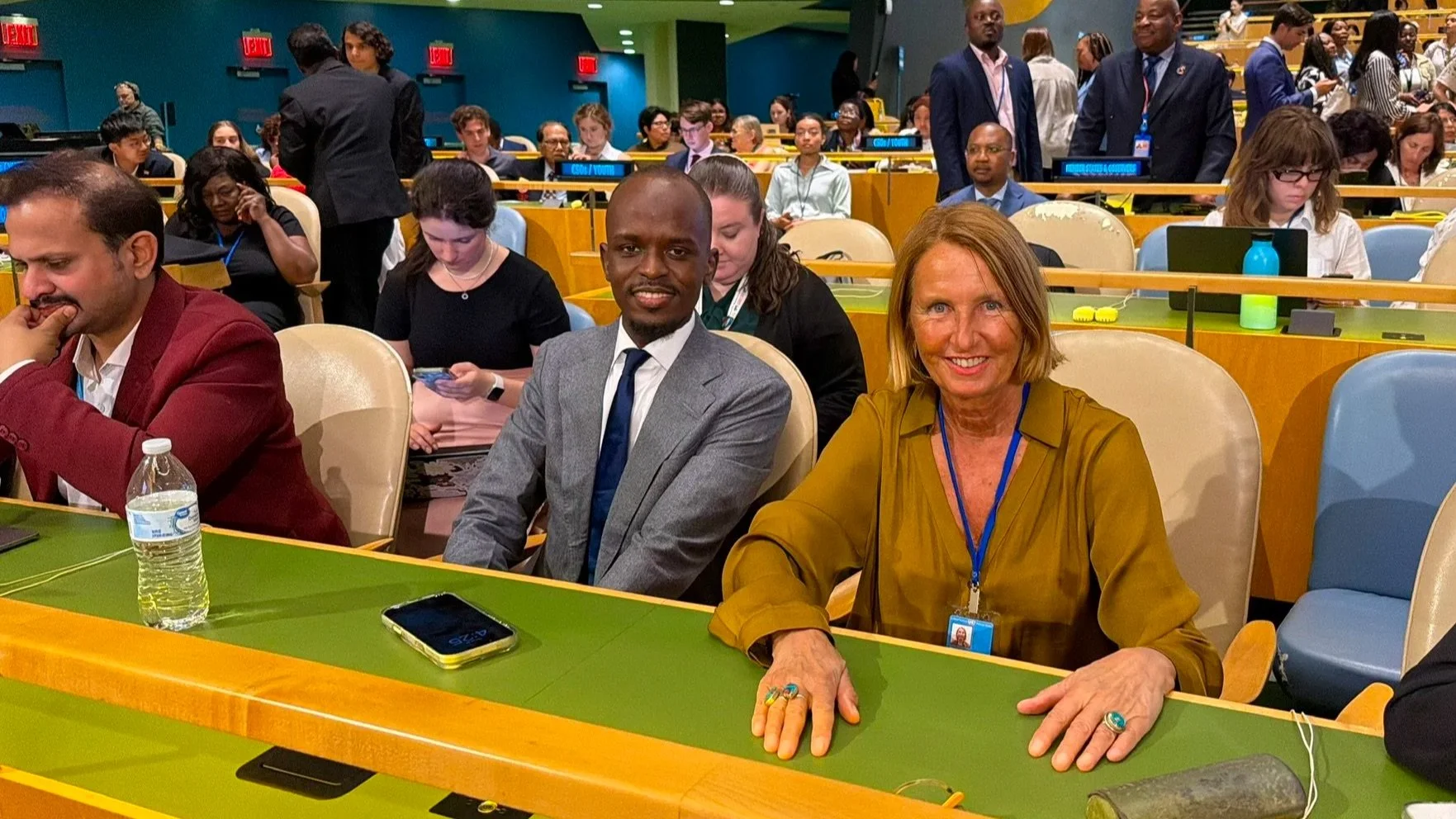
The General Assembly Hall brought together diplomats, Member States and civil society organisations accredited with ECOSOC and the UN Department of Global Communications (DGC) for the Town Hall with the Secretary-General candidates.
When asked what they hoped governments and citizens would say after their first year in office, the candidates' responses revealed both shared aspirations and distinct priorities. Together, they envisioned a United Nations that is more trusted, more agile and closer to people's everyday concerns.
Michelle Bachelet hoped people would see ‘a UN that's closer to their issues and leaner but not weaker’. María Fernanda Espinosa envisioned "‘a UN that is trusted... more agile... and more united’. Rafael Grossi hoped people would say the organisation was ‘back on track’. Rebeca Grynspan perhaps captured the public expectation most succinctly: ‘Nobody will ask me again, Where is the UN?'
Despite their different backgrounds and leadership styles, the six candidates shared one conviction: the next Secretary-General must rebuild trust, practise preventive diplomacy and demonstrate that multilateralism can still deliver meaningful results.
Whether that next leader is a woman now rests with Member States. After eighty years of male leadership, they have before them a historic opportunity to align the United Nations' longstanding commitment to gender equality with the choice of its highest office.