
The Persian Edition of What if Women Designed the City: A New Conversation on Women and Cities in Iran
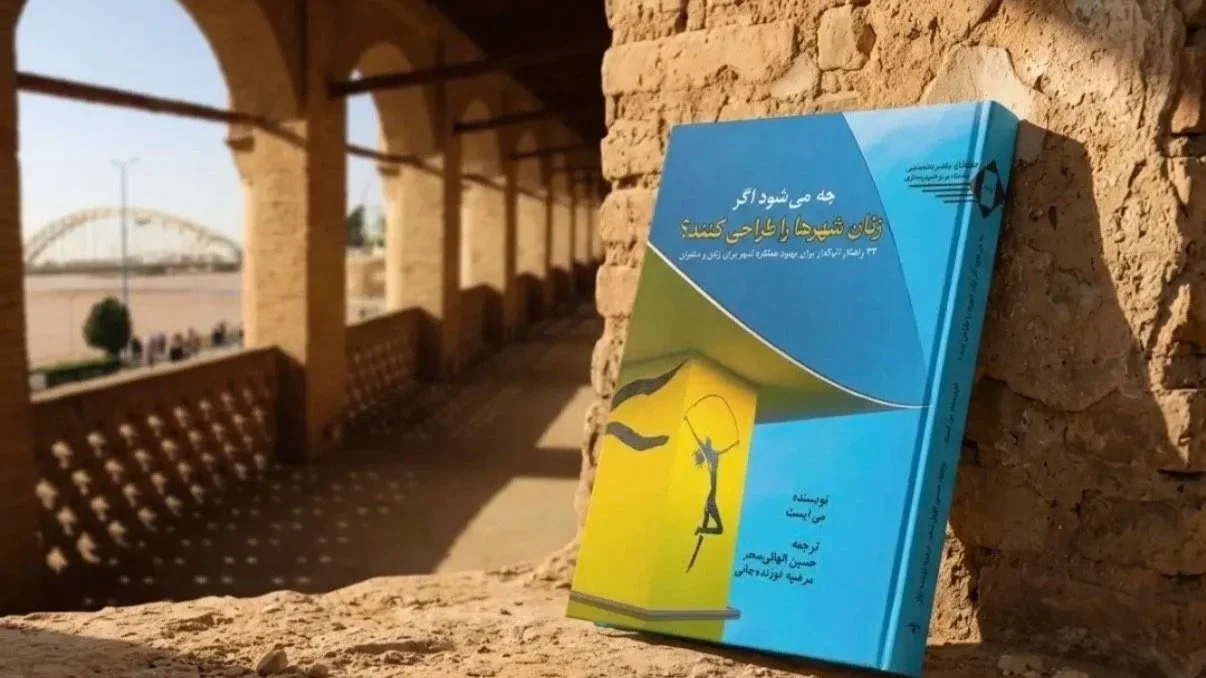
The Persian edition of What if Women Designed the City? published by Tahan-Gostar Publications, photographed in Ahvaz, Iran
Cities come alive through the countless interactions that unfold every day in their streets, parks, markets and neighbourhoods. Yet women and men often navigate the same city differently, The routes they choose, the places where they feel welcome, and the everyday journeys they make reveal perspectives that too often remain absent from urban planning and design
These lived experiences became the starting point for What if Women Designed the City? Seeing the Persian edition published in Iran feels especially significant, not only because it brings the book to a new readership, but because it opens a conversation about women, cities and urban futures within one of the world's oldest and most sophisticated urban cultures.
Iran's cities have shaped urban civilisation for centuries. From the historic bazaars of Tabriz and Isfahan to the rapidly changing neighbourhoods of Tehran and Ahvaz, they offer a rich urban landscape in which these ideas can be explored, challenged and reinterpreted.
There are moments in the life of a book that feel larger than publication itself. This is one of them. What moves me most is the people behind this edition – their dedication, generosity and belief that ideas can travel across languages and cultures.
Translator Hussein Ehsaei Sehar, an urban designer by training, first encountered the book through its title. ‘I felt I was encountering a distinct and unique work’, he told me. What convinced him to undertake the translation was the perspective it offered on cities through women's lived experience and the 33 practical solutions it proposes for creating safer, greener, more liveable an human-centred urban environments. Equally important was the generosity of Triarchy Press in granting the rights for the book to be published in Persian..
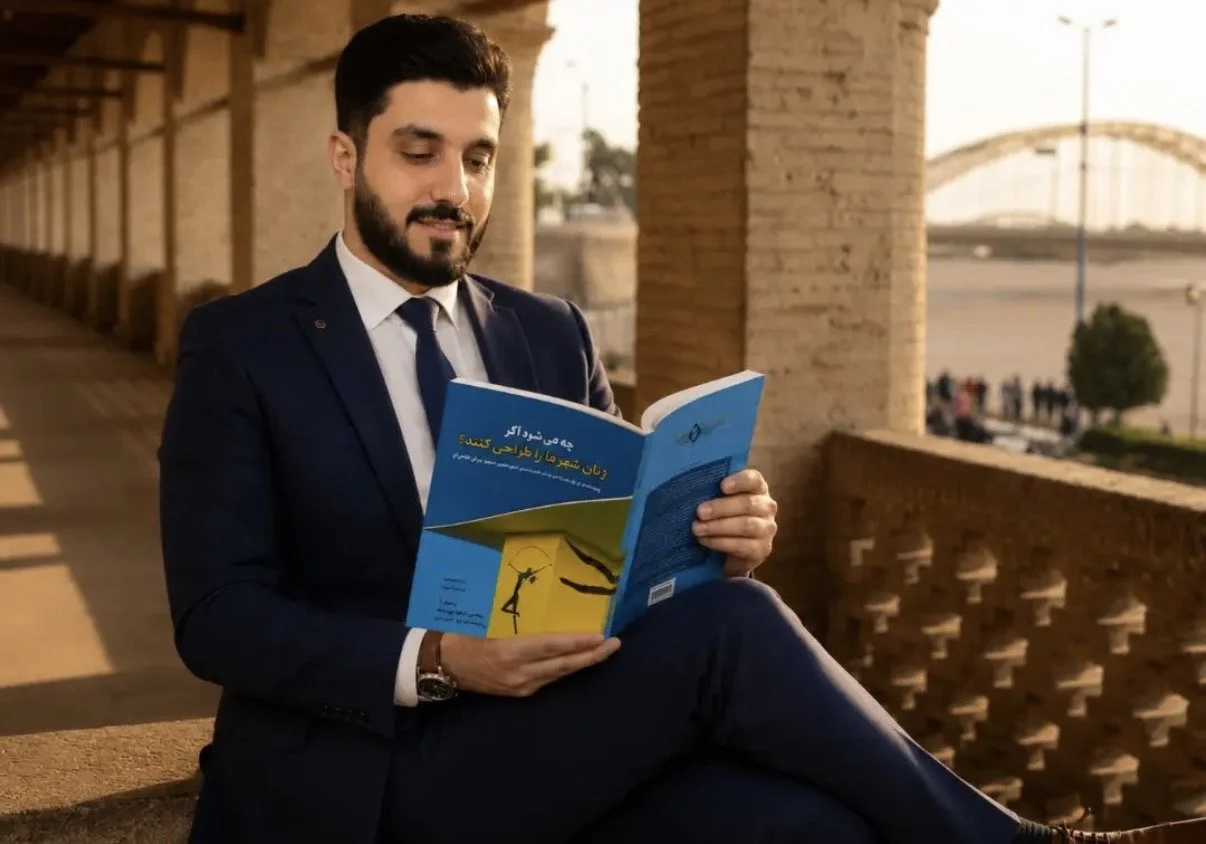
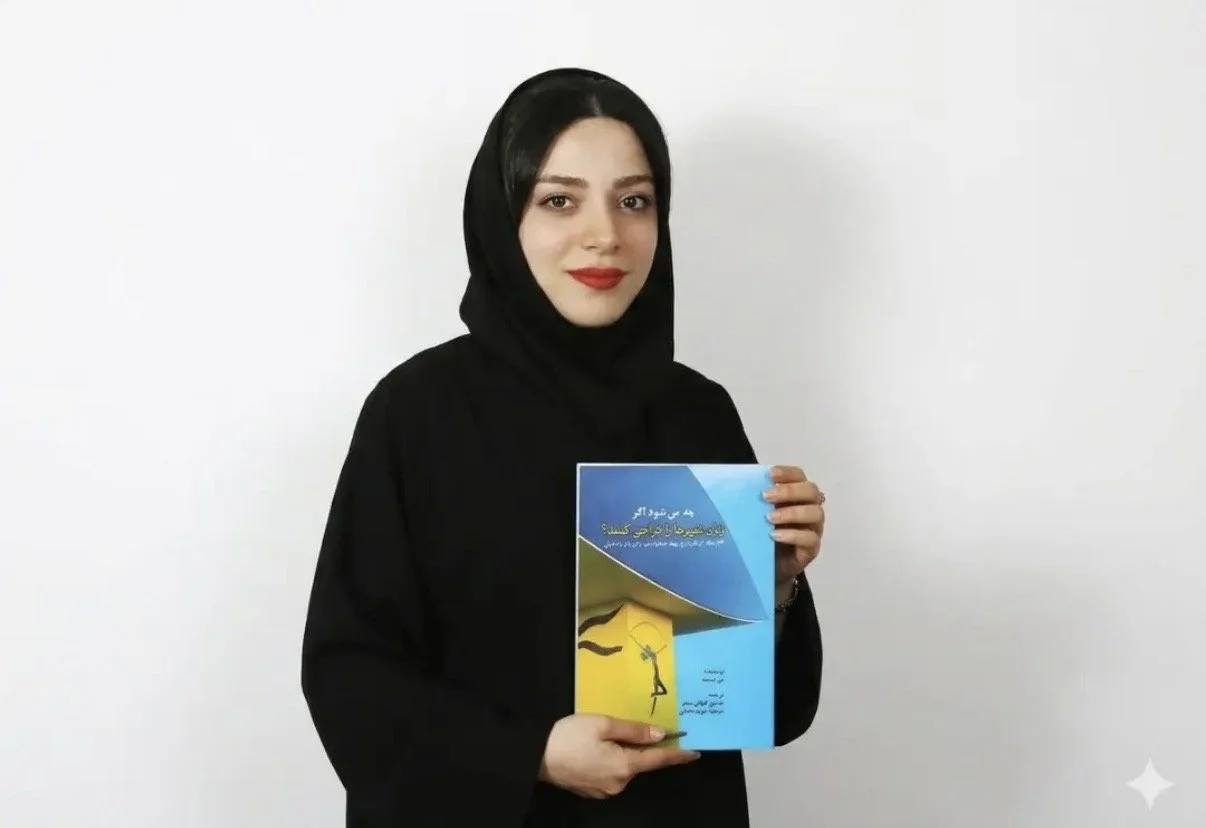
For Hussein, the project also represented the fulfilment of a long-held dream. While completing his Master's degree, he set himself an ambitious goal: to translate a book that could become a reference for students and practitioners. Together with the architect, urban designer and co-translator Marziyeh Touzandehjani, they spent two years bringing the text into Persian. In 2026, that dream became reality.
While Hussein spoke about the intellectual journey of translation, Marziyeh brought a different perspective to the conversation. As an architect, urban designer and a woman living and working in Iran, she connected with the book not only professionally, but through her own everyday experience of the city.
Women's experience of the city is often shaped by visibility, enclosure, lighting and the constant assessment of everyday spaces. Photo by Faezeh Mahmoudnejad
Among the many ideas explored in the book, one resonated most deeply with Marziyeh: the concept of geographies of fear.
"Being a woman in public space means constantly calculating routes, timing and the nature of one's presence," she reflected. Referring to gender-segregated buses and poorly lit transport infrastructure, she explained that many aspects of urban life make it clear that cities have been designed primarily with male users in mind. The book, she said, gave language to experiences she had long felt but had never fully articulated.
The translation process also transformed her own thinking about urban design. One idea she found particularly powerful was the distinction between designing for women and designing with women.
"Without women's genuine participation in decision-making processes, even well-intentioned efforts can reproduce patriarchal patterns," she observed.
Equally inspiring were the stories of women in the Global South who, despite limited resources, developed creative responses to urban challenges. Their experiences reinforced a truth that remains too often overlooked: women's lived knowledge of the city is itself a form of expertise—one that conventional planning has yet to fully recognise.
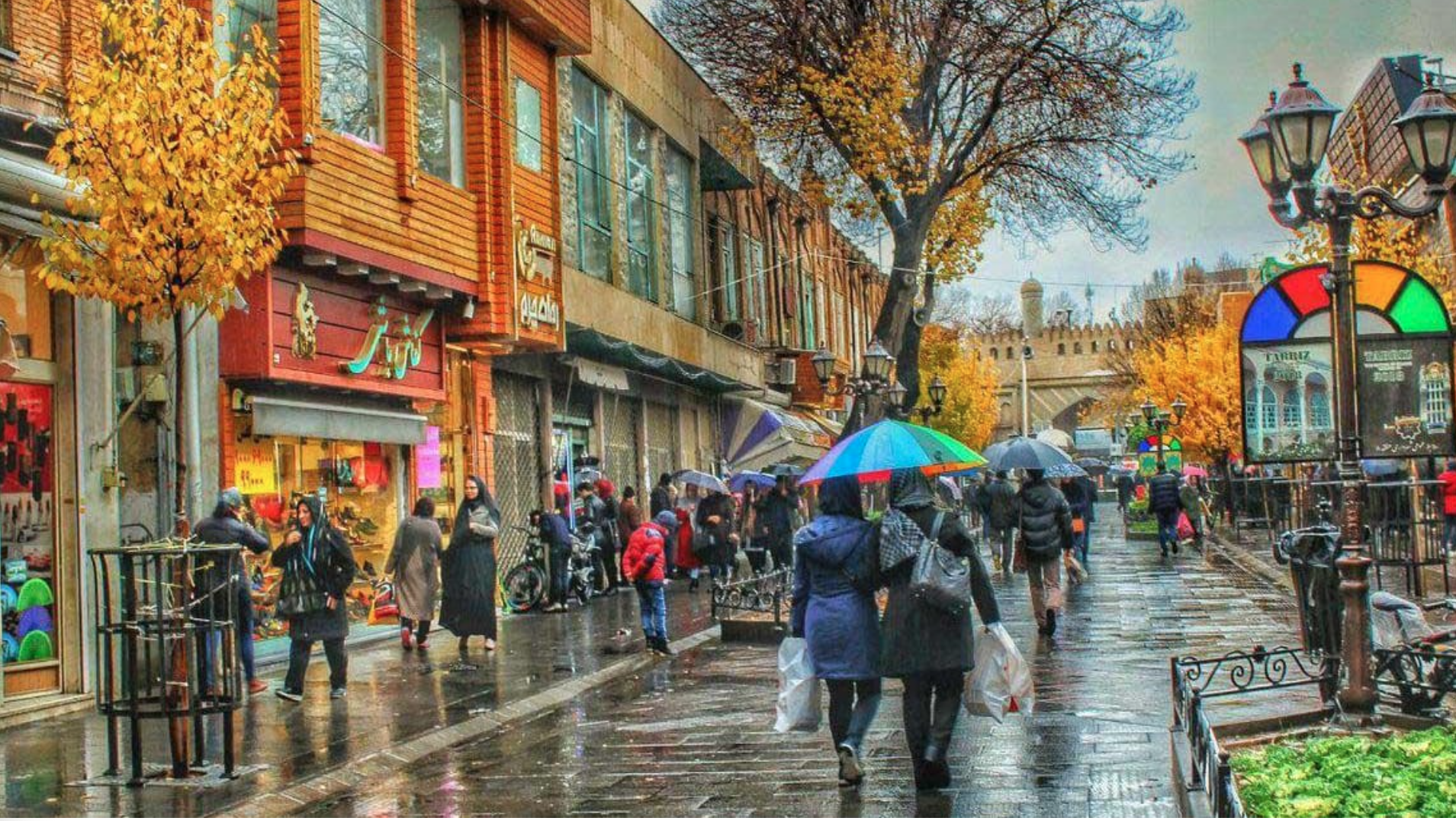
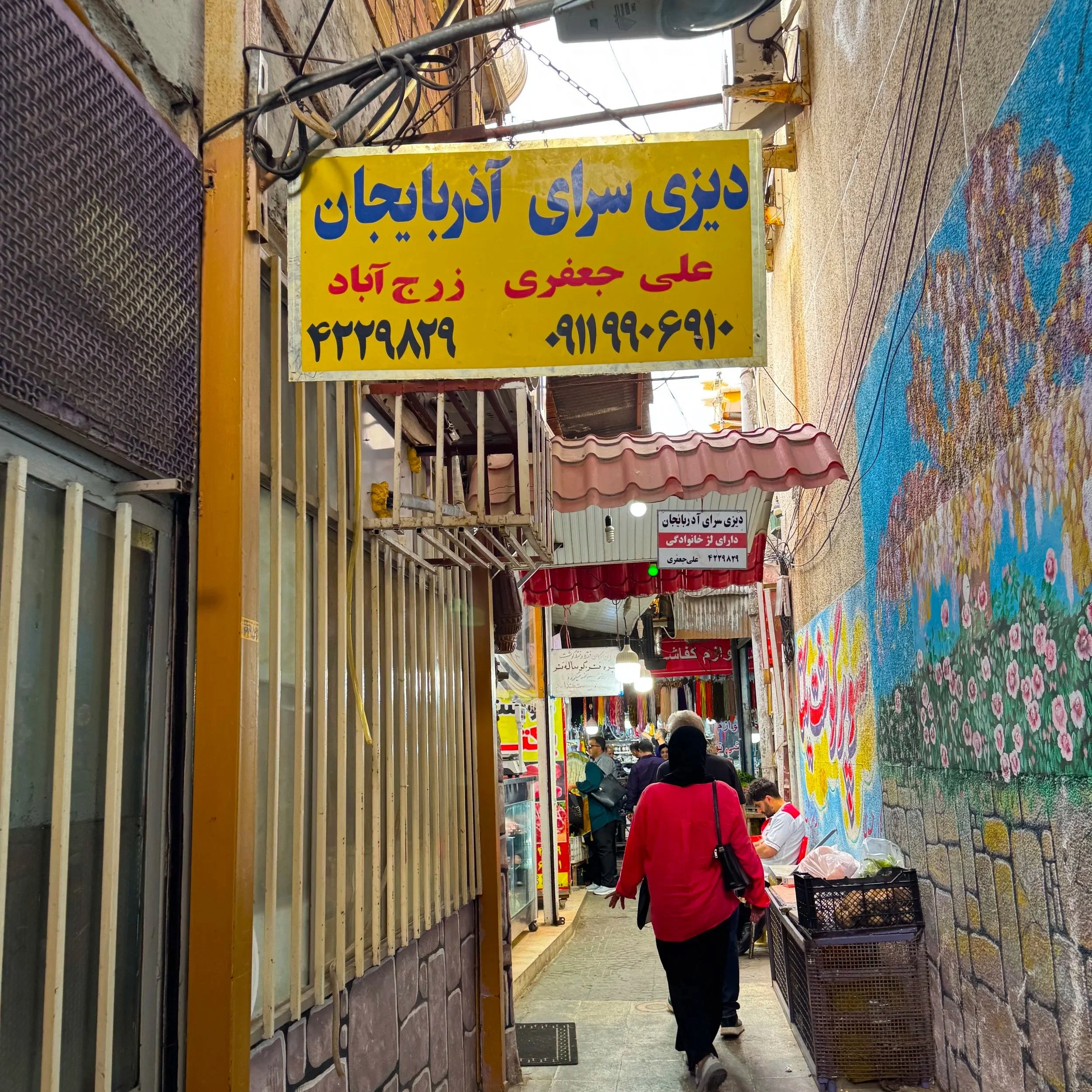
Everyday life in Tabriz. It is through daily journeys like these that women develop the lived knowledge of the city that so often remains absent from urban planning. Photo by Hussein Ehsaei Sehar
The publication arrives at a particularly significant moment in Iran's history. As conflict and uncertainty continue to affect daily life across the Middle East, a book may seem like a modest intervention. Yet books create spaces for dialogue precisely when dialogue is most needed.
As Hussein observed, translation is a bridge between experiences, cultures and ways of seeing the world. It enables us to learn from one another and to imagine new possibilities rooted in our own places.
Marziyeh's reflections point towards those possibilities. If women held greater influence over urban design and governance, she believes the changes would be felt everywhere: in better-lit transport systems, public spaces that welcome women, children and older people, and neighbourhoods where care infrastructure receives the attention it deserves.
But perhaps her most powerful insight lies elsewhere:
‘In times of uncertainty and social anxiety, women frequently serve as custodians of everyday knowledge. This knowledge holds immense potential for imagining more humane urban futures.’
Despite the structural barriers that remain, she believes women's creativity and lived experience can help open a new horizon—one in which the city is not a field of competition, but a space of mutual care.
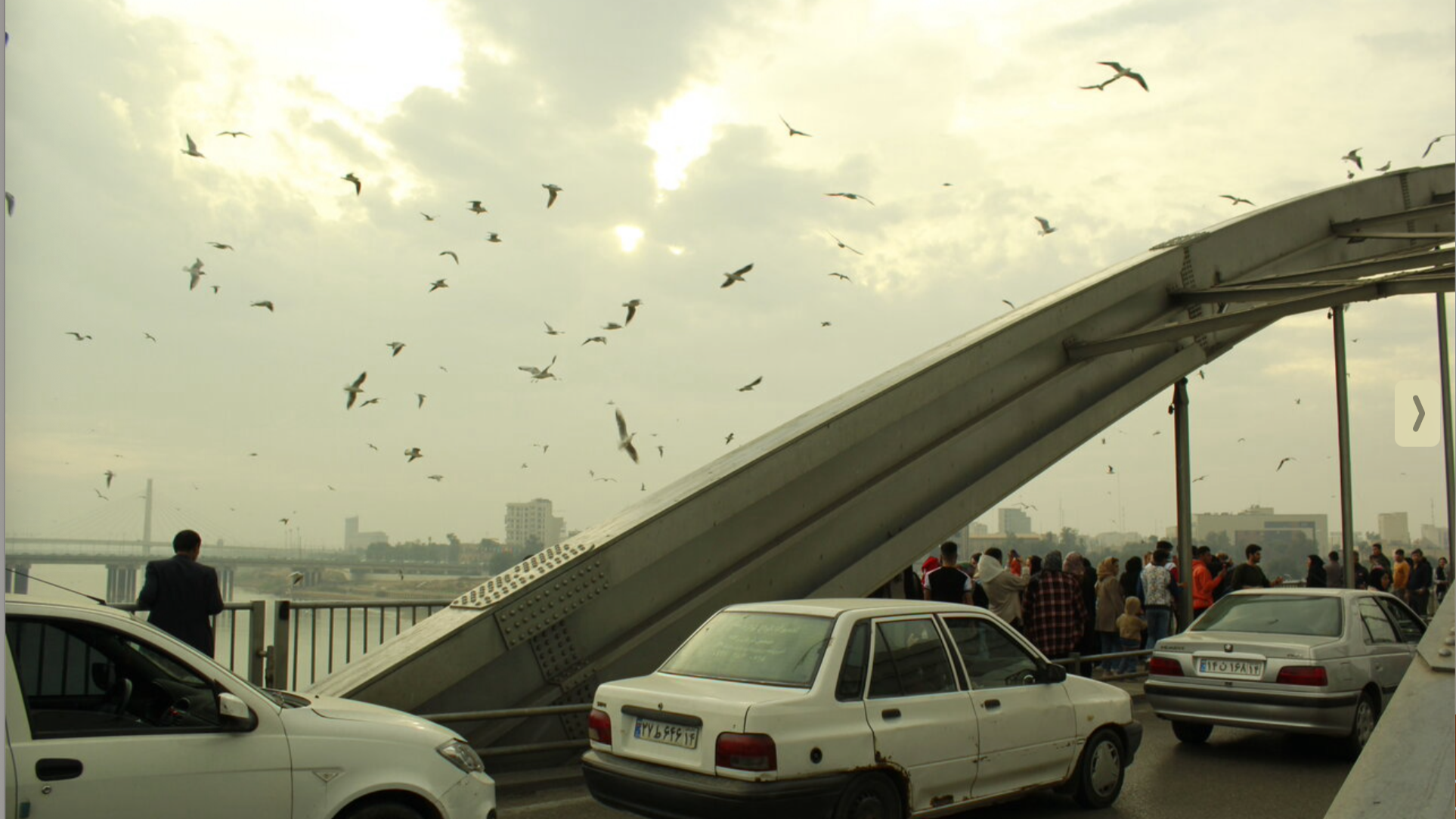
The Crescent Bridge in Ahvaz brings together people, river, birds and the built environment in a distinctive urban landscape. Current plans to expand pedestrian access reflect the city's continuing evolution towards more people-centred public spaces. Picture by Hussein Ehsaei Sehar
This Persian edition extends a conversation that began with a simple question: What if women designed the city? Through the work of its translators and publishers, that conversation now continues in a new language, enriched by the experiences, insights and aspirations of its readers.
My heartfelt thanks go to Hussein Ehsaei Sehar and Marziyeh Touzandehjani for their dedication, care and perseverance throughout this journey. I am equally grateful to Tahan-Gostar Publications and Triarchy Press for making this edition possible.
At a time when many cities across the Middle East are navigating profound uncertainty, the questions raised by this book feel more relevant than ever: Whose knowledge counts? Whose experiences shape our urban futures? And what becomes possible when women are recognised not only as users of urban space, but as co-designers of the places they inhabit?
The questions raised by this book feel as relevant as ever: Whose knowledge counts? Whose experiences shape our cities? And what becomes possible when women are recognised not only as users of urban space, but as co-designers of the places they inhabit?
The answers will be different in every city. But perhaps that is precisely the point. I look forward to discovering how this conversation contributes to the continuing vitality and evolution of Iran's remarkable cities through the perspectives, experiences and aspirations of Iranian women.
Every city has its own story. This conversation now becomes part of Iran's.
The Persian edition joins a growing family of translations. You can also explore the book in English, Spanish and Portuguese, and discover how independent publishers have helped bring this conversation about women, cities and urban futures to readers around the world.
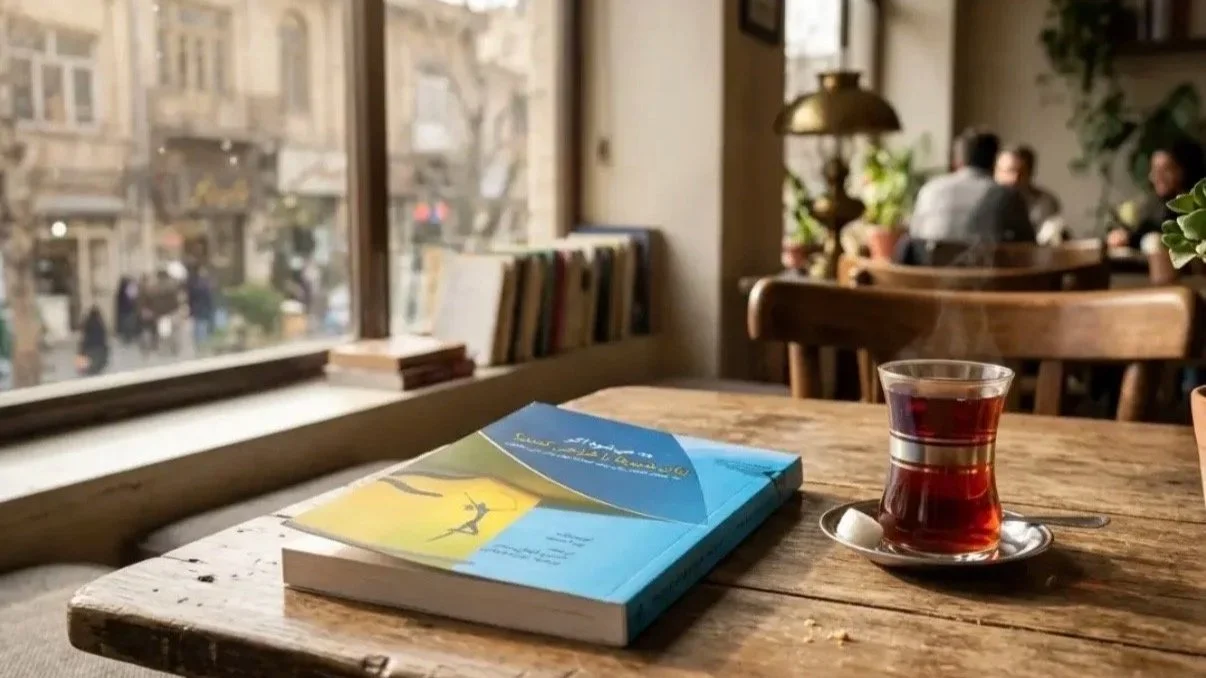
Cities are shaped not only in planning offices and council chambers, but also in cafés, streets, homes and public spaces where everyday life unfolds.