
Feminist Urbanism, Systems Thinking and a New Paradigm for Urban Planning
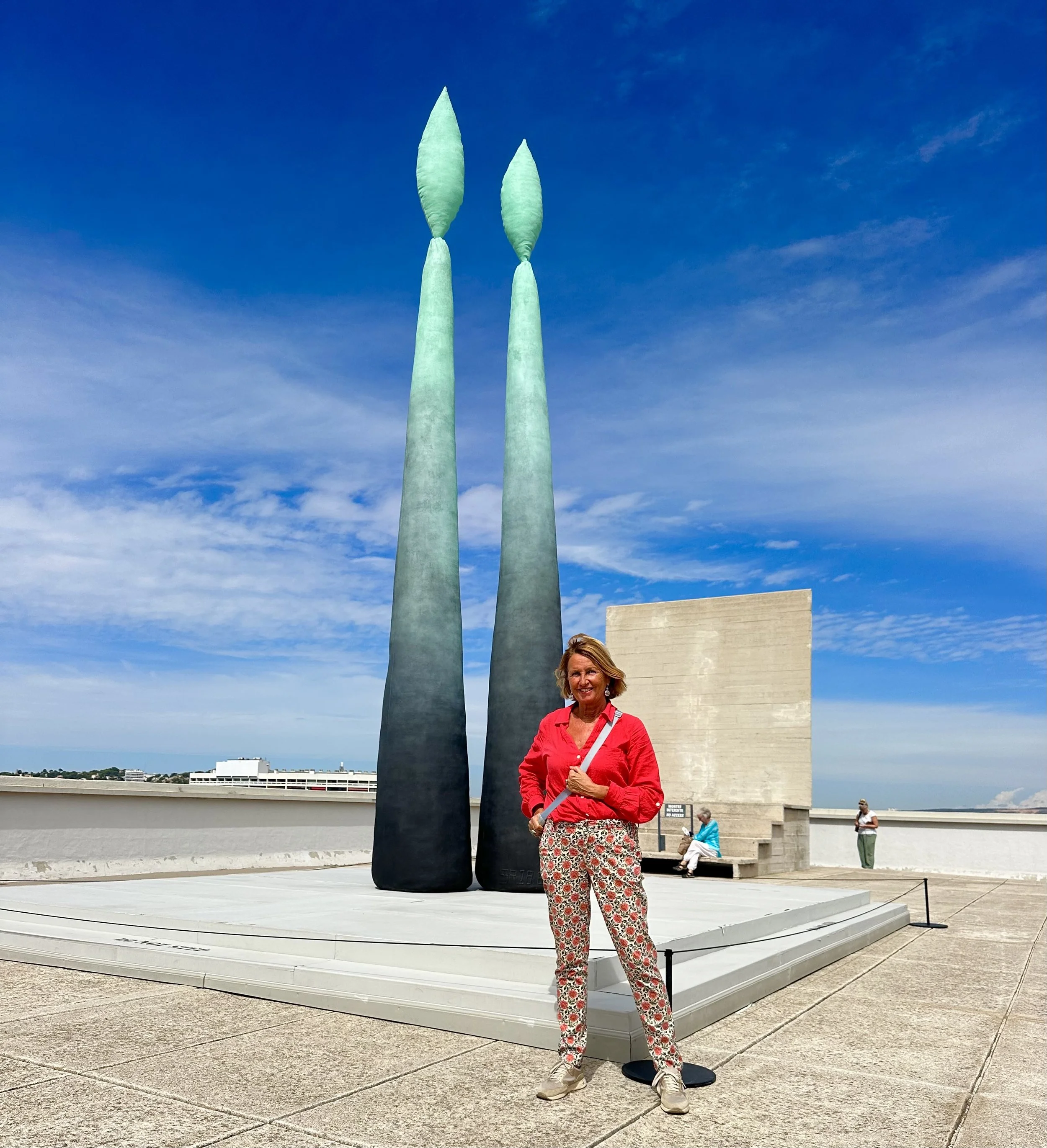
Two streams are converging to shape a new paradigm in urban planning: feminist urbanism and systems thinking. Together, they invite us to move beyond the functional city towards cities that are regenerative, relational and life-affirming. Photo: Philippe Galinier Warrain
Urban planning has long suffered from a historic gender gap in theory, policy and practice. While some research has addressed how planning fails to respond to women’s lived realities, the concept of an ‘urban-planning gender gap’ remains under-theorised and underrepresented in the realm of practical applications. But this has begun to change nationally and internationally.
Recent publications from international ‘agenda holders’ and ‘knowledge brokers’ have reaffirmed a longstanding reality: cities are not gender-neutral systems. They embody assumptions about whose needs matter, whose journeys count, and whose experiences are made visible in public life. These assumptions are embedded in the policies, infrastructures and decision-making processes that shape urban life. As a result, cities tend to function better for men than they do for women, children, older adults, people with disabilities, and individuals across a range of gender identities.
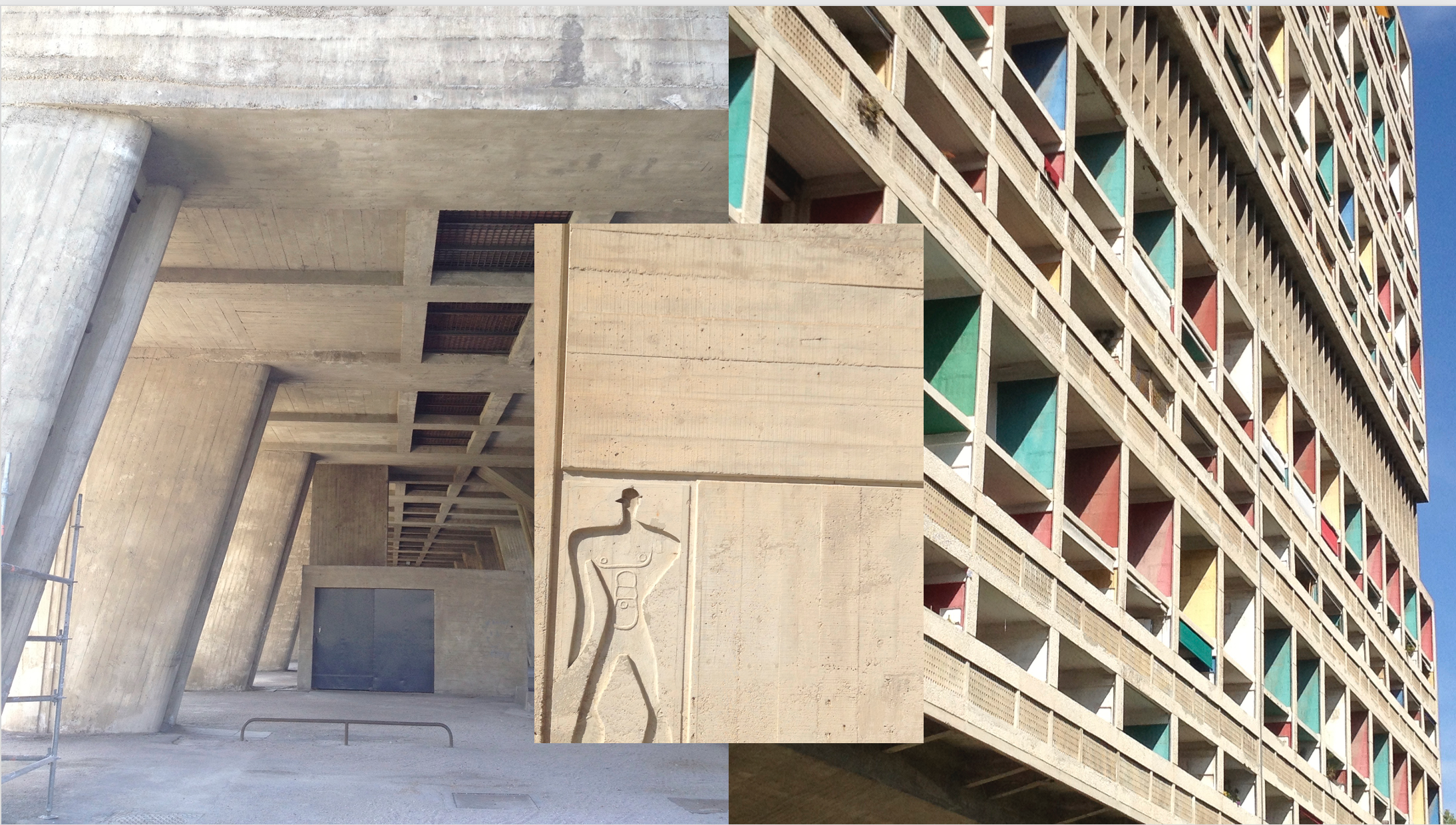
Le Corbusier's Modulor system informed the design of the Cité Radieuse. Based on the proportions of an idealised male body, it reflects a wider modernist planning paradigm that profoundly influenced twentieth-century urbanism and continues to shape planning practice today.
Central to this issue is the legacy of the 'functional city' concept, which is a product of early modernist planning ideas, such as those propagated by the Congrès International d'Architecture Moderne (CIAM) and Le Corbusier. CIAM’s Athens Charter (1933) envisioned a city divided by function – living, working, leisure, and mobility – leading to zoning strategies that prioritised efficiency and uniformity over sense of belonging and care. These rationalist ideals created environments that were car-centric, alienating and often hostile to the daily rhythms of caregiving and community life, thereby reinforcing gendered divisions of labour and embedding gender biases into the very fabric of urban design.
Le Corbusier believed that architecture should be designed in accordance with human scale to create spaces that are both functional and aesthetically pleasing. One of his tools was the ‘Modulor’ system to guide the design of buildings and urban spaces based on the proportions of a male body. In Cité Radieuse, he applied these principles to determine the dimensions of spaces, the heights of ceilings, and the placement of windows and doors, all with reference to this standardised human scale.
The Athens Charter remains one of the most influential and contested documents in the history of urban planning and continues to inform zoning practices, albeit often in more flexible ways today. The urban form and spatial planning it promoted have had a lasting effect on the lives of contemporary women, particularly those residing in modernist housing developments. Yet planning paradigms are not fixed. Like all systems, they evolve in response to changing realities, emerging knowledge and new ways of understanding the world. Today, we are witnessing the emergence of a new paradigm in urban planning.

The challenge is not simply to redesign cities, but to redesign the mental models through which we understand them. Systems thinking offers a lens for seeing cities as complex, adaptive and evolving systems.
Systems Thinking and a New Paradigm for Urban Planning
Thomas Kuhn's theory of scientific revolutions (1962) suggests that paradigms shift when existing models can no longer respond to emerging complexities. Urban planning stands at such a threshold today. Faced with accelerating urbanization, the imperative to decarbonise our lifestyles, and the repositioning of women in society, a new paradigm is both necessary and emerging – one informed by systems thinking, feminist theory, ecological consciousness and regenerative development.
Changing how cities function first requires changing how we think about them. Systems thinking, as described by Donella Meadows (1999), understands cities as complex, adaptive systems made up of interdependent parts. Instead of treating transport, safety, housing and public space as separate silos, Systems thinking reveals how they interact and how interventions in one area can create cascading effects across the wider urban system.. It is particularly powerful when combined with feminist perspectives, which reveal how power and representation are embedded in the design of the built environment in symbiotic relation with everyday life.

Feminist systems thinking in practice: moving beyond winners and losers towards co-evolving mutualism.
As we advance the gendered city agenda, we intentionally let go of old maps to reach new territories. This means that although urban planning has historically centred on a white, able-bodied, adult male as the default reference, moving forward does not mean replacing one dominant group with another. We must reject the zero-sum mindset that views the increased protagonism of women in planning as a loss for others. This is not a matter of winners and losers, but of collaboration. Women working alongside men to redistribute power, balance representation and reshape planning systems towards cities that work for all.
The new map we are creating is one of co-evolving mutualism rooted in a desire for inclusivity, an embodiment of care, and an acknowledgment of complexity. Co-evolving mutualism here means engaging with and listening to all who have a stake in the system, in reflective and generative dialogue which encourages learning together.
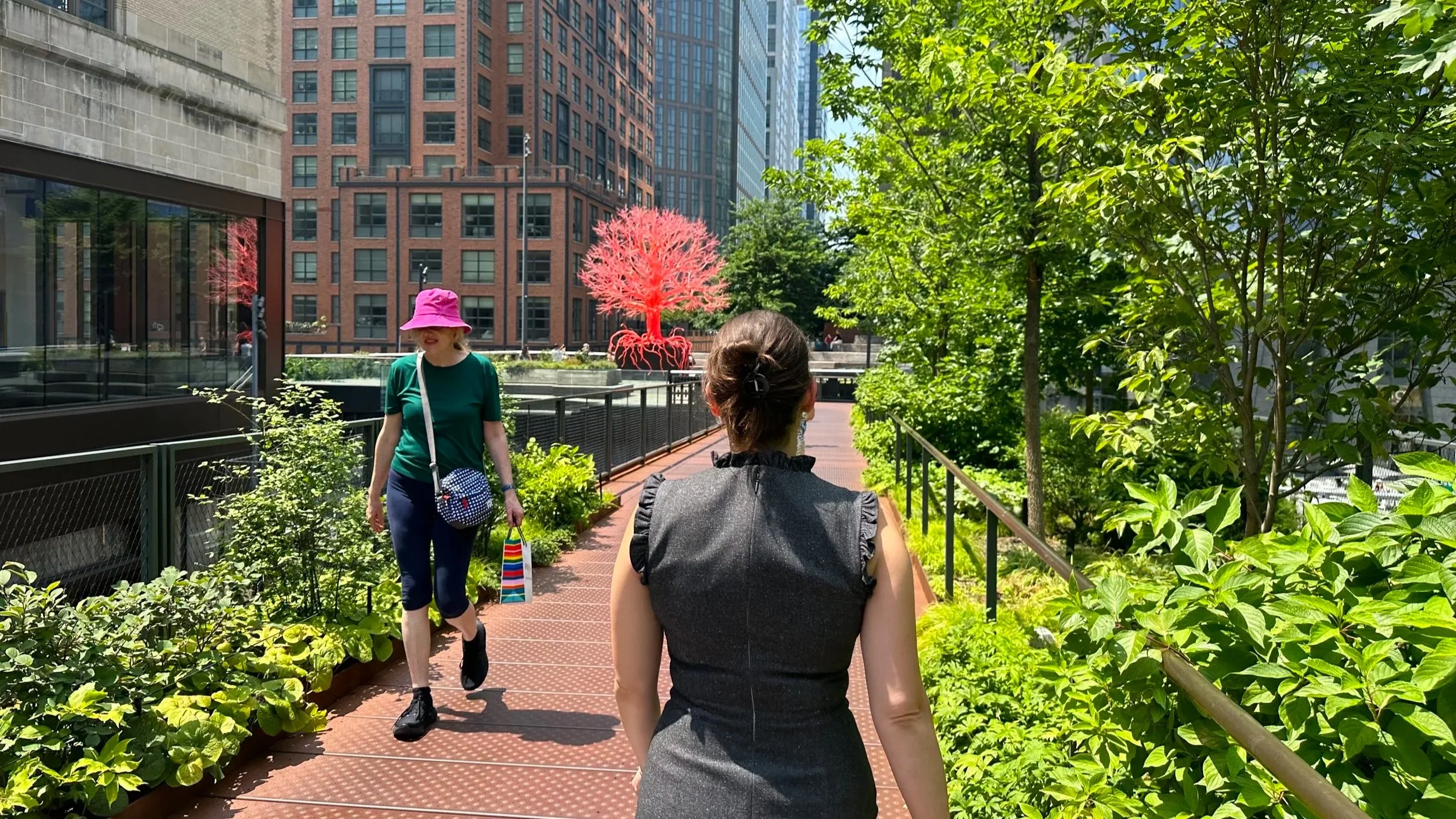
Regenerative development moves beyond sustainability towards cultivating the conditions in which communities, ecosystems and places can co-evolve and flourish. Photo by May East
Regenerative Development as Direction of Travel
We know that pursuing sustainability is no longer enough. How can we sustainably bring back something that has been lost? Living systems and urban environments have been deeply impacted by our lifestyles and linear economies. By adopting a regenerative perspective, we purposively bring more life, vitality and viability into our neighbourhoods, districts and cities, enabling them to co-evolve with ecological systems over time.
A core insight of regenerative development theory is the move from dominance to intimacy with place. This requires understanding place not as an abstract, neutral location but as a living system characterised by its bio-cultural-spatial uniqueness. As regenerative designers we ask: what is the essence of this place? What makes it alive? How can design amplify rather than diminish its vitality? Rather than impose solutions, our goal must be to cultivate conditions from which people, communities and ecological systems acan thrive together.. This shift reframes our focus: from what is wrong to what is strong in what already exists and thrives within a community.
Evidence of this gender sensitive turn is already visible in cities like Vienna, Umeå, Lyon, Glasgow, Berlin, Bogotá, Tirana and Barcelona amongst others, where feminist-informed planning strategies are taking root. These cities are implementing a mosaic of gender sensitive policies and interventions in their unique ways. Examples include gender-sensitive budgeting and procurement, transforming ‘zones of anxiety’ into ‘zones of ease’, co-designing public spaces with girls, developing purpose-building intergenerational housing, adopting design-led approaches to urban safety and even prioritizing snow clearance on pedestrian routes before roads.
Though often decentralized and context-specific, these interventions are not isolated. Together, they reflect a growing movement toward urban planning that is inclusive, relational and regenerative by design.
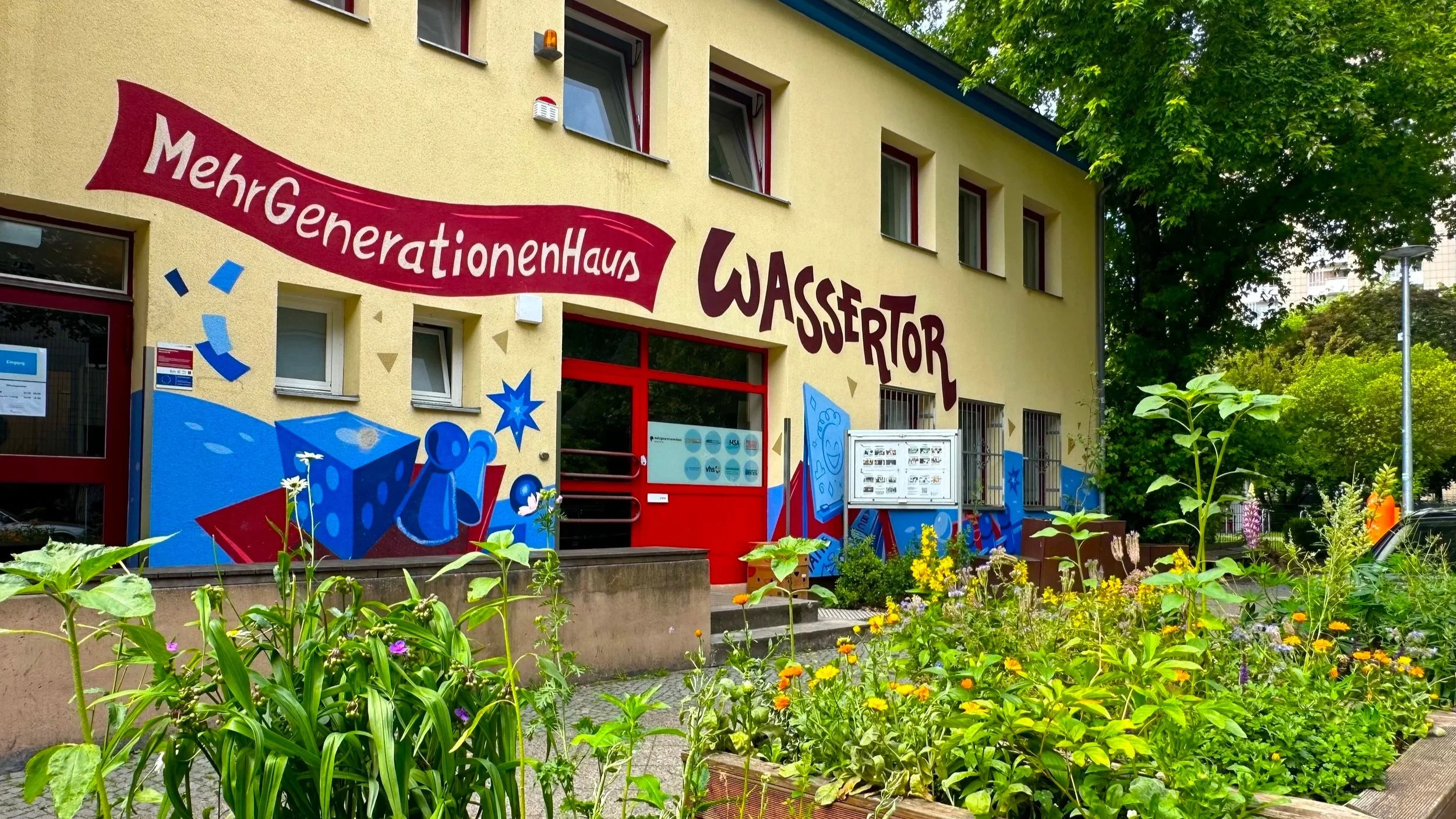
Multigenerational housing in Berlin. An example of a leverage point where housing becomes more than shelter—it becomes infrastructure for care and intergenerational reciprocity. Photo by May East
Leverage Points: Where Small Changes Spark Systems Shifts
At the heart of my research was a simple but provocative question: What if Women Designed the City? To explore it, I listened closely to the lived experiences of 274 women living in Glasgow, Edinburgh and Perth from diverse socio-economic backgrounds. Drawing inspiration from Donella Meadows’ essay Leverage Points: Places to Intervene in a System, the research used her systems framework to identify where small, targeted interventions could trigger wider shifts in how cities function. Not all leverage points have equal transformative potential. Some operate at the level of physical infrastructure, while others influence the rules, goals and mental models that shape the system as a whole. The project therefore sought to uncover leverage points at all levels capable of supporting gender-responsive urban transformation.
By applying Meadows’ leverage points, these lived experiences were translated into grounded, practical recommendations for local authorities, architects, urban practitioners, and communities. These include pragmatic ideas such as integrating public toilets into urban design with attention to women's hygiene needs; using warm-toned, evenly spaced street lighting to reduce shadows; placing benches at regular intervals for resting and socializing.
Other interventions focused on the power of an urbanism of proximity and purpose: co-locating essential services within walking distance; establishing timebanks to reward local acts of care; encouraging active travel as a way of life. Green space becomes connective tissue – linking parks, allotments, urban woodlands and pathways to enable people of all ages to nurture love for living things and for living things to move freely through urban landscapes.
At its heart, this vision calls for a shift from a mindset of maintenance to an ethic of care – where care is democratised and not a prerogative of women only and recognition that depth and health of relationships between groups are proportional to the availability of spaces for gathering. Safety in this context transcends policing. It emerges from relationships of trust, natural surveillance, shared responsibility, and the everyday presence of people who care for their neighbourhoods. It may even involve retraining parking wardens to become neighbourhood stewards.
But this vision doesn’t stop with infrastructure. The mindset and rules that underpin and orientate the system levers are just as critical: embedding gender-sensitive criteria into procurement processes, redefining planning metrics to measure well-being and joyfulness, and retraining urban professionals in intersectional design. Each intervention, however modest, makes space not only for utility, but for presency – the presence and agency of women in shaping the public realm.

The future of urban planning depends on whose voices are seen, heard and valued. Feminist urbanism challenges the inherited assumptions that have shaped our cities and invites a richer diversity of experiences into the processes that shape urban life. Photo by May East
Conclusion
The gendered structure of our cities is neither a coincidence nor an inevitability. It is the result of historical choices – some intentional, many unconscious – that have privileged certain perspectives, experiences and ways of knowing while excluding others. Yet planning paradigms are not fixed. Today, a new paradigm is emerging, informed by feminist urbanism, systems thinking and regenerative development.
Across disciplines, communities and geographies, this movement is asking bold questions and offering grounded answers. What if sidewalks, alleyways, parks and bus routes were designed through the lens of care and lived experience? What if planning decisions were co-created with those who understand a place best—not because they hold power, but because they live there? These questions are already being posed—and answered—by women, planners, activists and designers across the globe.
The city, in this new paradigm, is not a finished product but an evolving process—a generative system grounded in co-evolving mutualism, deep listening and care. When women design the city, they do not simply add more toilets or install better lighting. They challenge the very logic through which cities are conceived, planned and governed. They weave a vision of urban life that is co-created, life-affirming, and attuned to the complexity of real lives. In doing so, they reveal leverage points for redesigning the system itself.
Synthesis of a talk given by May East to Women in Systems Thinking Dialogue Series hosted by System of Systems Thinkers (SOST) June 2026